- Made to Exterminate: (647)-956-5868
- info@pesterminate.ca


How to Identify Bed Bugs: Early Signs and Hiding Places
Have Any Question?
Contact us, our service man will give you support ASAP to move your live without pest problem.
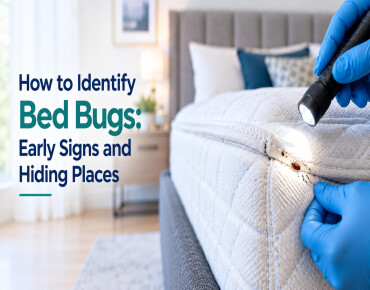
How to Identify Bed Bugs: Early Signs and Hiding Places
Learn how to identify bed bugs, spot early warning signs, and check common hiding places. This practical guide helps Toronto homeowners and renters know what to look for and when to contact Pesterminate for professional support.
A suspicious insect on your mattress or a new stain on your sheets can leave you wondering whether you have bed bugs. Learning how to identify bed bugs starts with examining physical evidence not guessing from itchy skin. For Toronto homeowners, renters, travellers, and property managers, the most useful first step is a careful inspection of sleeping areas and nearby furniture. This guide explains what bed bugs look like, which warning signs matter, and how to respond without unnecessarily spreading affected belongings. Direct answer: To identify bed bugs, look for flat, oval, brown adults; smaller pale young bugs; tiny white eggs; shed skins; and dark fecal spots around sleeping areas. Inspect mattress seams, box springs, bed frame joints, headboards, and nearby upholstery. Bites alone cannot confirm an infestation; collect or photograph a suspected insect for identification. Bed bugs are small, blood-feeding insects that spend much of their time concealed in narrow spaces. The common bed bug, Cimex lectularius, can be difficult to find because its appearance changes as it develops and after feeding. Adult bed bugs are approximately 5-7 mm long, roughly the size of an apple seed. Before feeding, they generally have a flat, oval, brown body. After feeding, they become more swollen, elongated, and reddish brown. Young bed bugs, called nymphs, are smaller and may appear translucent or whitish yellow. An enlarged photograph can make a tiny insect look much bigger than it is. When documenting a specimen, place a ruler nearby without disturbing it and take both a close-up and a wider photograph showing its location. Look for several types of evidence rather than relying on one unexplained mark. These physical signs provide a stronger basis for investigation than bite patterns. Small infestations can still be challenging to detect, so a quick inspection with no findings does not rule them out. Bed bug eggs and shed skins often require a flashlight and close examination. Likewise, bed bug droppings on sheets should be assessed alongside nearby insects or other evidence not treated as a diagnosis by themselves. No. Bites may resemble mosquito bites, other insect bites, hives, or skin conditions. Some people do not react at all. Neither a row of bites nor the absence of bites proves whether bed bugs are present. If a rash persists or you are unsure what caused it, seek medical advice rather than repeatedly applying pest-control products. A medical assessment addresses the skin problem; a property inspection addresses whether insects are present. Begin where people sleep or spend extended periods resting. Around beds, common hiding places include mattress piping, seams and tags, box springs, headboards, and bed-frame cracks. More extensive infestations may involve upholstered furniture, drawer joints, curtains, and other narrow spaces. The most useful signs of bed bugs on a mattress are insects or evidence concentrated around seams, folds, piping, and labels. Inspect the box spring and bed structure too: checking only the exposed sleeping surface leaves important hiding places unexamined. Work outward through: Bed bugs may hide around electrical fittings, but do not remove outlet covers or inspect energized equipment yourself. Leave inaccessible or unsafe areas to qualified professionals. Use this practical inspection sequence: The inspection locations follow established identification guidance. Keeping photographs and location notes makes it easier to explain what you found without carrying furniture or bedding elsewhere. The key is to inspect systematically, not repeatedly strip the room or spray every crack. Identification should guide the next action. In an apartment, condo, or rental suite, report suspected bed bugs to the landlord or property manager promptly. Health Canada advises tenants with bed bugs to notify their landlord right away and follow the pest-control operator's specific preparation instructions. For a basement apartment, inspect the bed, sofa bed, and upholstered seating first. Being below ground does not make moisture a diagnostic sign of bed bugs. Similarly, an older Toronto building deserves careful inspection of furniture joints and cracks, but its age does not establish an infestation. Avoid blaming a neighbouring unit without evidence. A professional assessment should determine whether additional areas need inspection. Before unpacking, check the mattress seams, bed structure, and nearby upholstered furniture for the same physical evidence you would examine at home. The EPA recommends looking for bed bug signs when staying away from home. If you find a suspected insect, photograph it and notify the accommodation manager before moving your belongings. Keep luggage contained while deciding what to do next. A clean-looking room is not a substitute for checking likely hiding places. Carpet beetles can be mistaken for bed bugs, particularly when someone finds a small insect indoors and assumes it explains an itchy rash. Accurate identification matters because treating the wrong pest gives the actual problem time to continue. Do not rely on colour alone. Compare size, body shape, life stage, and the evidence around the insect. If the specimen is damaged, extremely small, or unclear in a photograph, request professional identification before buying products. Document what you found, limit unnecessary movement of belongings, and arrange identification. Health Canada strongly recommends a licensed professional pest-control operator when a bed bug infestation is present. Avoid carrying potentially affected items loose through the building. Follow a confirmed preparation plan rather than emptying every cupboard or moving furniture without guidance. For washable items, Health Canada recommends hot washing and drying on the hottest suitable setting, followed by storage in sealed bags or containers. Check fabric-care instructions and obtain guidance for delicate or heat-sensitive belongings. Laundry measures support control; they do not treat insects hidden elsewhere in the room. Other useful precautions include reducing clutter, coordinating treatment preparation, and inspecting belongings before returning them to cleaned areas. Bed bugs are attracted to warmth, blood, and carbon dioxide not dirt although clutter creates additional hiding places. Consider these hypothetical examples: These examples illustrate decisions, not confirmed diagnoses. The difference is whether identifiable physical evidence supports the concern. Common mistakes include treating bites as proof, inspecting only the mattress surface, spraying before identifying the insect, and assuming that throwing away the bed resolves the problem. Bed bugs can hide beyond the mattress. Disposal alone may leave insects in furniture or room crevices, while poorly planned movement can create additional handling problems. Ask for advice before removing large items. Do not use homemade pesticides, unregistered products, or ozone generators. In Canada, pesticide products must have a Pest Control Products registration number and be used according to their labels. Never apply a product to people, pets, or bedding unless the label specifically permits that use. Health Canada advises leaving heat treatments to professionals. Knowing how to detect bed bugs early means checking likely hiding places when there is a reason for concern and keeping useful records. During bedding changes, briefly examine seams and nearby bed-frame joints. After finding suspicious evidence, document it before cleaning. If identification remains uncertain, ask for help r For landlords and property managers, maintain a clear reporting process and share preparation instructions with affected occupants. Treatment is more effective when physical controls and preventive measures accompany the professional plan. Yes, adult bed bugs are generally visible without magnification. Young bugs and eggs are much smaller, and unfed nymphs can be difficult to see because of their pale colour. A flashlight and close examination help, but finding something tiny does not automatically mean it is a bed bug. Preserve a suspected specimen for identification. One confirmed bed bug warrants further investigation, but it does not reveal how many others are present. Inspect nearby hiding places and arrange an assessment rather than assuming either a widespread infestation or an isolated harmless event. Low-level infestations are particularly difficult to find, so the absence of additional visible bugs is not conclusive. Yes. Cleanliness does not prevent every bed bug encounter. Bed bugs seek a blood meal rather than food scraps or household grime. Keeping rooms uncluttered can make inspection easier and reduce hiding places, but finding bed bugs is not evidence that an occupant has failed to keep the property clean. No. Bed bugs are primarily active at night, but hungry bugs may seek a host during daylight. A daytime sighting deserves identification, although it does not by itself establish how extensive the infestation is. Base the next step on the insect and surrounding evidence rather than the time of day it appeared. Do not rely on winter weather to eliminate an indoor infestation. Freezing belongings requires controlled conditions and sustained temperatures; Health Canada notes that freezing may not kill all bugs. Setting furniture outdoors briefly is not a dependable substitute for assessment and treatment, especially when eggs or insects remain in other indoor hiding places. Yes. Notify the landlord or property manager promptly and provide photographs, the discovery date, and the location of the evidence. Health Canada specifically advises tenants with bed bugs to tell their landlord right away. Follow the operator's preparation instructions rather than independently moving affected belongings. Payment and legal responsibilities require current, situation-specific Ontario guidance. There is no verified Pesterminate price quoted in this article. Request a written quote describing the inspection, affected areas, proposed treatment, preparation, and follow up. Ask whether additional rooms or units change the scope and whether expedited service affects the price. Compare what each quote includes rather than assuming all bed bug services provide identical work. Contact a professional when you find a suspected specimen, repeated physical evidence, or continuing activity after attempted treatment. Professional identification is also useful when the insect could be a look alike. Health Canada strongly recommends licensed professional control for bed bug infestations, especially because successful treatment requires more than addressing visible insects alone. Physical evidence gives you a better starting point than bite patterns or guesswork. Check likely hiding places, preserve useful findings, and avoid applying products before confirming the pest. For help with suspected activity in Toronto or the GTA, explore Pesterminate's bed bug control service and request an inspection. The company advertises same-day service; confirm address coverage and appointment availability when contacting the team.
How to Identify Bed Bugs and Their Early Signs
What do bed bugs look like?
What are the early signs of bed bugs?
Evidence What it looks like What it tells you Live insects Brown, oval adults or smaller pale nymphs A specimen can help confirm identification. Fecal spots Small dark marks that may bleed into fabric Possible bed bug waste; other marks can look similar. Eggs Tiny, pearl-white eggs, approximately 1 mm long Requires close inspection and careful identification. Shed skins Pale, empty insect-shaped coverings Evidence left as nymphs grow. Rusty stains Reddish marks on sheets or mattresses May result from crushed bugs, but stains alone are inconclusive. Can you identify bed bugs by their bites?
Where Do Bed Bugs Hide, and How Should You Check?
Where should you inspect first?
How do you check for bed bugs step by step?
What changes in Toronto apartments and basement suites?
How should travellers inspect a hotel room?
Which bugs look like bed bugs?
What Should You Do After Finding Suspected Bed Bugs?
How can you prevent bed bugs from spreading?
What do realistic situations look like?
Which common mistakes should you avoid?
What are the best practices for early detection?
Frequently Asked Questions About Bed Bug Identification
Can you see bed bugs without a magnifying glass?
Does finding one bed bug mean there is an infestation?
Can a clean Toronto home have bed bugs?
Do bed bugs only come out at night?
Can Canadian winter weather eliminate bed bugs?
Should tenants tell their landlord about suspected bed bugs?
How much does a bed bug inspection or treatment cost in Toronto?
When should you contact a pest-control professional?
Conclusion