- Made to Exterminate: (647)-956-5868
- info@pesterminate.ca


Residential Pest Control in Toronto - Complete Homeowner Guide
Have Any Question?
Contact us, our service man will give you support ASAP to move your live without pest problem.
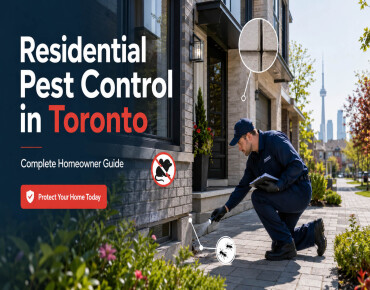
Residential Pest Control in Toronto - Complete Homeowner Guide
A professional Toronto pest control technician inspects a clean residential home exterior for common pest entry points. The image highlights safe, reliable, and family-friendly residential pest control in Toronto, with subtle local elements and a trustworthy service-focused design.
Residential pest control in Toronto helps homeowners identify, remove, and prevent pests such as mice, rats, cockroaches, ants, bed bugs, spiders, wasps, and other household invaders. A proper pest control plan does more than treat what you can see. It finds the source of the problem, blocks entry points, reduces attractants, and protects your home from future infestations. For Toronto homeowners, pest control is especially important because the city has dense housing, older properties, basement apartments, laneways, shared walls, garbage storage areas, ravines, restaurants, construction zones, and changing seasonal weather. These conditions can make pest problems spread quickly if they are not handled early. Whether you live in a detached home in Scarborough, a condo in Downtown Toronto, a semi-detached house in East York, a townhouse in North York, or a family home in Etobicoke, this guide explains how residential pest control in Toronto works, what pests to watch for, how much treatment may cost, and when to call a professional. Residential pest control in Toronto is the inspection, treatment, removal, and prevention of pests inside and around homes. It can include rodent control, cockroach treatment, ant control, bed bug treatment, wasp nest removal, spider control, and general pest prevention. A professional residential pest control service usually includes: The goal is not only to remove pests today. The real goal is to stop them from coming back. Toronto is a busy urban environment, and pests adapt well to city living. Many pest problems happen because pests find three things around a home: food, water, and shelter. In many Toronto neighbourhoods, homes are built close together. Row houses, semi-detached homes, condos, duplexes, triplexes, and apartment buildings often share walls, service lines, garbage areas, and parking spaces. This means pests can move from one unit or property to another. For example, if cockroaches are active in one condo unit, they may travel through plumbing gaps, wall voids, electrical openings, or shared garbage areas. If mice enter one attached home through a foundation gap, they may move along connected walls or basement spaces. Many Toronto homes have older foundations, brickwork, basement windows, vents, pipe openings, garage gaps, and worn door seals. These small openings can be enough for mice, insects, spiders, and other pests to enter. A common homeowner mistake is assuming the pest came in through the front door. In reality, many pests enter from hidden exterior gaps near: Food waste is one of the biggest pest attractants in urban areas. Rodents, ants, flies, raccoons, and wasps are often drawn to open garbage bins, overflowing compost, pet food, birdseed, and outdoor food scraps. Homes near laneways, restaurants, shared garbage rooms, parks, ravines, and high-foot-traffic areas may experience more pest pressure than homes in quieter areas. Toronto’s pest activity changes throughout the year. In spring, ants, spiders, wasps, and occasional insects become more active. In summer, wasps, ants, flies, cockroaches, and outdoor pests increase. In fall, mice and rats look for warm indoor shelter. In winter, rodent activity often becomes more noticeable inside basements, kitchens, garages, and wall voids. Every home is different, but several pests appear frequently in Toronto residential properties. Mice and rats are among the most common reasons homeowners call for residential pest control in Toronto. Rodents can enter homes through very small gaps, especially around foundations, garages, pipes, vents, and basement doors. Look for: Rodent treatment should not rely only on bait or traps. A strong rodent control plan includes inspection, trapping or baiting, sanitation correction, and exclusion work. If entry points stay open, rodents can return even after treatment. Cockroaches are common in urban homes, condos, apartments, and multi-unit buildings. They prefer warm, dark, moist areas where food and water are available. Cockroaches often hide: Many homeowners use store-bought sprays when they see a cockroach. Sprays may kill visible insects, but they can also push roaches deeper into walls or make them spread to other rooms. Professional cockroach control usually uses targeted baiting, monitoring, sanitation advice, and follow-up treatment. Ants are common in Toronto homes during spring and summer. Some ants are mainly a nuisance, while carpenter ants may indicate moisture-damaged wood or nesting activity. Watch for: For ants, the visible trail is only part of the issue. The nest location matters. Treating only the ants you see may not remove the colony. Bed bugs are a serious concern in homes, condos, rental properties, and apartments. They are not caused by poor cleanliness. They often travel through luggage, used furniture, visitors, shared laundry, and multi-unit housing. Look for: Do not move furniture from room to room if you suspect bed bugs. This can spread the infestation. Avoid using random sprays on mattresses or sleeping areas without proper guidance. Wasps and hornets can build nests around rooflines, soffits, sheds, decks, fences, wall openings, and trees. They become especially concerning when nests are near doors, patios, playgrounds, balconies, or high-traffic areas. Do not disturb an active wasp nest. Wasps may become aggressive when the nest is threatened. Professional wasp nest removal is the safer option, especially if the nest is high, hidden, or close to people. These pests are often linked to moisture, clutter, basements, storage areas, bathrooms, and garages. While many are not as damaging as rodents or cockroaches, frequent sightings may indicate moisture problems, insect activity, or access points around the home. A professional pest control service should be structured, not random. The best results come from understanding the pest, the property, and the reason the pest is there. The technician checks the interior and exterior of the home. This may include kitchens, basements, bathrooms, garages, bedrooms, laundry rooms, utility areas, attics, decks, sheds, and exterior walls. The inspection looks for: Correct identification matters. Ants, cockroaches, rodents, wasps, and bed bugs all require different treatment methods. Guessing the pest can waste time and money. For example, carpenter ants and pavement ants are not treated the same way. Mice and rats require different strategy, equipment placement, and exclusion planning. Bed bugs require careful inspection and preparation before treatment. A good residential pest control plan is based on your home and your specific pest problem. The technician should explain what treatment is needed, where it will be applied, what preparation is required, and what follow-up may be needed. Treatment may include: Safety matters in every home, especially where there are children, pets, seniors, allergy-sensitive residents, or tenants. Professional treatment should be applied in targeted areas and according to product instructions. Homeowners should always ask: Treatment is only one part of pest control. Prevention is what keeps the problem from returning. Follow-up may include checking traps, replacing monitors, reviewing entry points, sealing recommendations, and confirming whether pest activity has stopped. The cost of residential pest control in Toronto depends on the pest type, property size, infestation level, treatment method, number of visits, and whether prevention or exclusion work is needed. A simple one-time insect treatment may cost less than a multi-visit rodent program or bed bug treatment. A small condo may be easier to treat than a large detached home with a basement, garage, attic, and exterior entry points. Common pricing factors include: The best way to reduce pest control costs is to act early. A single mouse sighting, one cockroach, or a few bed bug marks can become a larger problem if ignored. Early treatment usually requires less time, less disruption, and fewer visits than a widespread infestation. Some basic prevention steps can be done by homeowners, but active infestations often need professional help. Homeowners often make the problem worse by: Pest prevention works best when it becomes part of regular home maintenance. Use this checklist once a month: Kitchens attract cockroaches, ants, mice, pantry pests, and flies. Keep counters clean, wipe grease behind appliances, seal food packages, and avoid leaving dishes overnight. Basements are common pest areas because they can be dark, quiet, damp, and cluttered. Keep storage boxes off the floor when possible, reduce moisture, seal cracks, and inspect corners regularly. Walk around the outside of your home and look for openings. Pay attention to vents, pipes, door frames, basement windows, garage doors, and foundation gaps. Even small gaps can become pest entry points. Detached homes often have more exterior entry points. Rodents may enter through garages, basements, decks, sheds, and foundation gaps. Ants, spiders, wasps, and occasional invaders are also common around yards and patios. Shared walls make pest movement more complex. If pests are active next door, they may eventually reach your home. This is common with rodents, cockroaches, and ants. Condos and apartments can have pest issues because of shared plumbing, garbage rooms, laundry rooms, elevators, hallways, and neighbouring units. Cockroaches and bed bugs require fast action in multi-unit buildings. Landlords and tenants should report and address pest problems early. Delays can allow infestations to spread and create bigger repair, health, and compliance concerns. Pest problems vary by neighbourhood, property type, and surrounding conditions. A local pest control approach should reflect how people actually live across Toronto. Downtown Toronto has many condos, apartments, rental units, restaurants, garbage rooms, and high-density buildings. Common pest concerns include cockroaches, bed bugs, mice, ants, and occasional insects moving through shared spaces. Scarborough homes may experience rodent issues, ants, wasps, spiders, and wildlife pressure, especially around garages, ravine-adjacent areas, older homes, and properties with sheds or exterior gaps. North York includes condos, townhouses, detached homes, and older bungalows. Rodents, cockroaches, ants, and bed bugs are common concerns depending on property type. Etobicoke homeowners may see mice, rats, ants, spiders, wasps, and seasonal pests around basements, garages, yards, and older entry points. East York has many older homes, semi-detached properties, and basement spaces where rodents, ants, cockroaches, and spiders may appear. Midtown homes and condos may need prevention-focused pest control for mice, ants, bed bugs, wasps, and cockroaches, especially in older buildings or high-traffic areas. Residential pest control services may support homeowners in: Depending on service availability, pest control support may also extend to nearby areas such as Mississauga, Vaughan, Markham, Richmond Hill, Brampton, Pickering, Ajax, Thornhill, and Woodbridge. Choosing the right pest control company matters because your home is personal. You want a team that treats the problem seriously, explains the process clearly, and respects your family, pets, tenants, and property. Pesterminate provides residential pest control in Toronto for homeowners dealing with common local pests such as mice, rats, cockroaches, ants, spiders, wasps, bed bugs, and other household pests. A local technician understands how pests behave in Toronto homes, condos, basements, garages, yards, and multi-unit buildings. Local experience helps identify not only the pest, but also the conditions that allowed it to enter. Every property is different. A detached home with mice in the garage needs a different plan than a downtown condo with cockroaches or a Scarborough home with a wasp nest. Pesterminate focuses on treatment that matches the pest, property, and severity of the issue. The best pest control is not just removal. It is prevention. That means identifying entry points, reducing attractants, recommending repairs, and helping homeowners understand what to watch for after service. A good pest control experience should be clear and stress-free. Homeowners should know what is being treated, why it is being treated, what to expect, and what steps to take next. If you are seeing pests, hearing scratching sounds, finding droppings, or dealing with insects that keep coming back, do not wait for the problem to spread. A professional inspection can help identify the issue early and create a treatment plan that protects your home. For trusted help with residential pest control in Toronto, visit Pesterminate’s main service page here: Book residential pest control in Toronto Residential pest control in Toronto is the professional inspection, treatment, removal, and prevention of household pests such as rodents, cockroaches, ants, bed bugs, wasps, and spiders. The most common pests in Toronto homes include mice, rats, cockroaches, ants, bed bugs, wasps, spiders, silverfish, and centipedes. You may need pest control if you see droppings, hear scratching sounds, notice insect activity, find bite marks, see a wasp nest, or experience recurring pests after DIY treatment. Pest control can be safe for children and pets when products are applied correctly, label instructions are followed, and homeowners follow technician guidance for re-entry and preparation. Residential pest control cost in Toronto depends on the pest type, home size, infestation level, treatment method, number of visits, and whether exclusion or follow-up service is needed. Pests often return after DIY treatment because the source, nest, entry points, food sources, or moisture conditions were not fully corrected. Call a professional when pests keep returning, you see rodents or cockroaches, you suspect bed bugs, you find droppings, or the problem involves multiple rooms or shared housing.
What Is Residential Pest Control in Toronto?
Why Toronto Homes Have Pest Problems
Dense Housing and Shared Walls
Older Homes and Basement Entry Points
Garbage, Compost, and Laneways
Seasonal Weather Changes
Common Residential Pests in Toronto
Mice and Rats
Signs of Mice or Rats
Professional Advice
Cockroaches
Common Cockroach Hiding Areas
Common Mistake
Ants and Carpenter Ants
Signs of Ant Activity
Professional Advice
Bed Bugs
Signs of Bed Bugs
Safety Warning
Wasps and Hornets
Safety Warning
Spiders, Silverfish, Centipedes, and Occasional Invaders
How Residential Pest Control Works
Step 1: Inspection
Step 2: Pest Identification
Step 3: Customized Treatment Plan
Step 4: Safe Treatment Application
Step 5: Prevention and Follow-Up
Cost of Residential Pest Control in Toronto
Factors That Affect Cost
Cost-Saving Advice
DIY Pest Control vs Professional Pest Control
DIY May Help When:
Professional Pest Control Is Better When:
Common Client Mistakes
Residential Pest Prevention Tips for Toronto Homeowners
Monthly Pest Prevention Checklist
Kitchen Prevention Tips
Basement Prevention Tips
Exterior Prevention Tips
Residential Pest Control by Property Type
Detached Homes
Semi-Detached and Row Houses
Condos and Apartments
Rental Properties
Residential Pest Control Across Toronto and Nearby Areas
Residential Pest Control in Downtown Toronto
Residential Pest Control in Scarborough
Residential Pest Control in North York
Residential Pest Control in Etobicoke
Residential Pest Control in East York
Residential Pest Control in Midtown Toronto
Additional Toronto Neighbourhoods We Serve
Nearby GTA Areas
Why Choose Us for Residential Pest Control in Toronto
Local Toronto Experience
Targeted Treatment Plans
Prevention-Focused Service
Homeowner-Friendly Communication
Ready to Protect Your Toronto Home?
Local FAQs About Residential Pest Control in Toronto
1. What is residential pest control in Toronto?
2. What pests are most common in Toronto homes?
3. How do I know if I need pest control for my Toronto home?
4. Is pest control safe for children and pets?
5. How much does residential pest control cost in Toronto?
6. Why do pests keep coming back after DIY treatment?
7. When should I call a professional pest control company in Toronto?