- Made to Exterminate: (647)-956-5868
- info@pesterminate.ca


Pest Control Service in Toronto: What Homeowners Should Know
Have Any Question?
Contact us, our service man will give you support ASAP to move your live without pest problem.
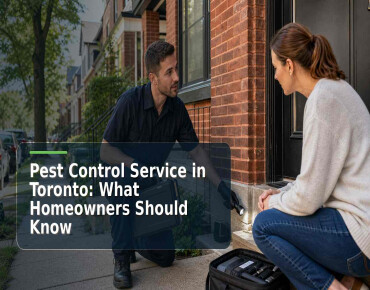
Pest Control Service in Toronto: What Homeowners Should Know
Helpful Toronto pest control guide from Pesterminate with practical tips, warning signs, and when to call a local expert.
A professional pest control service in Toronto helps homeowners identify, remove, and prevent pests such as mice, rats, cockroaches, bed bugs, ants, wasps, spiders, and termites. For most Toronto homes, the right time to call a pest control expert is when pests return after DIY treatment, appear in more than one area, leave droppings or bites, or create safety risks around food, wiring, bedrooms, pets, or children. Toronto has local pest pressures that make quick action important. Older housing, shared walls, laneways, ravines, basement apartments, dense commercial strips, green bins, and ongoing construction can all make pest problems harder to control. The City of Toronto’s 2025 Rat Response Plan reported about 2,500 rodent-related service requests in 2024, and the City notes that this likely underrepresents the real scale because property owners often handle pest problems privately. Pesterminate provides residential and commercial pest control service in Toronto, including help for rodents, bed bugs, flies, spiders, ants, cockroaches, wasps, and termites. The company lists Toronto and surrounding areas as its service area and notes experience serving homes and businesses from its Danforth and Scarborough locations. A pest control service is a professional inspection, treatment, and prevention plan designed to remove pests and stop them from coming back. It is not just spraying a product and leaving. Good pest control looks at the full problem: what pest is present, where it is entering, where it is nesting, what is attracting it, and how the home can be protected after treatment. A proper pest control visit usually includes: For homeowners in Toronto, this matters because many pest problems are connected to the building itself. A detached home in Scarborough may have mice entering through a garage gap. A condo in Downtown Toronto may have cockroaches travelling through plumbing lines. A semi-detached home in East York may have rats entering near an old foundation opening. A good technician looks beyond the visible pest. Toronto homes face pest issues for reasons that are both seasonal and structural. The city has older neighbourhoods, high-density housing, commercial food areas, ravine systems, laneways, multi-unit buildings, and a climate that pushes pests indoors during colder months. The City of Toronto says properties must be kept free of rodents, vermin, insects, and conditions that may encourage pest infestations under local property standards. That means homeowners are not only protecting comfort. They are also protecting the condition and safety of their property. Here are real-world examples Toronto homeowners often recognize: These situations need different solutions. Mouse control is not the same as cockroach control. Bed bug treatment is not the same as ant treatment. A one-size-fits-all approach can waste money and allow the infestation to spread. Mice and rats are among the most stressful pest issues for Toronto homeowners because they can contaminate food areas, damage insulation, chew materials, and create noise inside walls or ceilings. Toronto’s rodent concerns are serious enough that the City has developed a Rat Response Plan focused on prevention, waste management, construction impacts, and public education. Rodents are common around: Signs of mice or rats Look for: Professional advice The biggest mistake homeowners make with rodents is using bait without fixing entry points. Bait may reduce activity, but if gaps remain open, new rodents can enter. A proper rodent control plan should include inspection, trapping or baiting where appropriate, sanitation recommendations, and exclusion work. Cockroaches are a major issue in Toronto condos, apartments, rental homes, restaurants, and older houses with moisture problems. They thrive in warm, hidden areas and can spread through cracks, wall voids, drains, shared plumbing, and appliance spaces. Common cockroach areas include: Signs of cockroaches You may notice: Common client mistake Many homeowners use store-bought sprays too aggressively. This can push cockroaches deeper into walls and make them harder to treat. Professional cockroach control often uses targeted bait, monitoring, and crack-and-crevice treatment instead of broad spraying. Bed bugs are difficult because they hide close to where people sleep or rest. They can travel through luggage, used furniture, clothing, visitors, and shared walls in multi-unit buildings. Health Canada states that bed bugs are very hard to get rid of and strongly recommends hiring a licensed professional pest control operator if bed bugs are present. Toronto Public Health also notes that bed bugs can affect anyone and may contribute to stress, anxiety, sleep loss, and skin irritation. Signs of bed bugs Look for: Safety warning Do not drag mattresses, couches, or clothing through the home without a plan. This can spread bed bugs into hallways, other bedrooms, elevators, storage rooms, or neighbouring units. Ants are common in Toronto during spring and summer, especially around kitchens, patios, foundations, and damp wood. Pavement ants may enter through cracks and gaps. Carpenter ants can be more serious because they may be linked to moisture-damaged wood. When ants become a bigger concern Call a pest control professional if: The key is identifying the ant species. Treating the wrong area may only move the colony instead of solving the infestation. Toronto pest activity changes with the seasons. In spring, ants and early wasp nests become active. In summer, wasps, flies, spiders, and outdoor insects increase. In fall, mice and rats look for warm shelter. In winter, rodents, cockroaches, and bed bugs remain active indoors. Wasps and hornets deserve special caution. Do not disturb a nest in a wall, attic, soffit, shed, or high exterior area. Nests can become aggressive when threatened, and some people may have severe allergic reactions to stings. Older homes and hidden entry points Many Toronto neighbourhoods have older housing stock, including brick homes, semi-detached homes, row houses, and basement apartments. Gaps around pipes, vents, garage doors, foundation cracks, and utility lines are common rodent entry points. Condos and shared buildings In Downtown Toronto, Midtown, North York, Liberty Village, CityPlace, and Scarborough condo communities, pests can move through shared walls, plumbing chases, garbage rooms, laundry areas, and storage lockers. One untreated unit can affect others. Laneways, garbage storage, and green bins Laneway homes and rear garages can create attractive hiding areas for rodents if garbage, compost, bird seed, pet food, or clutter is available. Construction and roadwork Construction can disturb rodent nesting areas. Toronto’s Rat Response Plan specifically discusses construction activity as one of the conditions linked to rat movement and control challenges. Ravines, parks, and waterfront areas Homes near High Park, the Don Valley, Taylor Creek, Rouge Park, Etobicoke Creek, or waterfront areas may see more seasonal pest pressure from rodents, ants, spiders, wasps, and occasional wildlife activity. Step 1: Inspection A pest control technician checks the home inside and outside. The inspection may include kitchens, bathrooms, baseboards, basement walls, attic spaces, garages, vents, doors, windows, decks, sheds, and garbage areas. Step 2: Pest identification Correct identification matters. A mouse issue needs different tools than a rat issue. Carpenter ants need a different strategy than pavement ants. Bed bugs need a different plan than carpet beetles. Step 3: Treatment Treatment depends on the pest and home. It may include: Step 4: Prevention Professional pest control should include prevention advice. Without prevention, the same conditions can bring the pests back. Step 5: Follow-up Some pests require follow-up visits. Bed bugs, cockroaches, rats, and recurring mice often need monitoring after the first treatment. DIY pest control may help when: Professional pest control is better when: Safety warning about pesticides Health Canada advises that pesticide products must be used carefully and according to label directions. For bed bugs, Health Canada warns against unsafe or unproven methods and recommends professional help because bed bugs are difficult to eliminate. The cost of pest control in Toronto depends on the pest type, property size, severity, access, number of visits, and whether exclusion work is needed. A small ant treatment in a townhouse will not cost the same as a severe bed bug issue in multiple bedrooms or a rodent problem requiring exterior sealing. Typical cost factors General Toronto pest control cost guide The best way to price pest control accurately is to request an inspection or quote. Be cautious with pricing that sounds too low without asking about pest type, treatment method, warranty, follow-up, and preparation requirements. The most effective pest control combines treatment with prevention. Here are practical steps homeowners in Toronto, North York, Scarborough, Etobicoke, East York, York, and nearby GTA communities can take. Indoor pest prevention checklist Outdoor pest prevention checklist Seasonal maintenance plan Pest control is local. A downtown condo, a Scarborough detached home, and a Vaughan townhouse can all have different pest pressures. Pesterminate serves Toronto and surrounding areas, with service information listed for both residential and commercial pest control. Downtown Toronto homes and condos often deal with cockroaches, bed bugs, mice, and garbage-room pest issues. Shared walls, high resident turnover, restaurants, and construction can all increase risk. Relevant areas include: CityPlace, Liberty Village, The Annex, Queen West, King West, Cabbagetown, St. Lawrence, Harbourfront, Yorkville. Danforth, East York, Leslieville, Riverdale, The Beaches, and Woodbine areas often include older homes, semi-detached properties, basements, laneways, and garages. Rodents, ants, wasps, and cockroaches are common concerns. Scarborough properties may face pest issues connected to larger lots, ravine areas, older foundations, sheds, garages, and basement units. Common calls include mice, rats, ants, wasps, spiders, bed bugs, and cockroaches. North York has a mix of detached homes, condos, apartments, restaurants, ravines, and commercial strips. Rodents, cockroaches, ants, wasps, and bed bugs can all appear depending on the property type. Etobicoke homeowners may see rodent and insect pressure near garages, older foundations, parks, creeks, and Lake Ontario corridors. Ants, mice, rats, wasps, and spiders are common seasonal issues. If service is available, local SEO content can also mention: Mississauga, Vaughan, Markham, Richmond Hill, Thornhill, Pickering, Ajax, Woodbridge, Brampton, Oakville, Durham Region. Use these naturally in future service pages or blog posts rather than stuffing them into every paragraph. Choosing the right pest control company matters because pests are not just annoying. They can affect health, comfort, food safety, property value, and peace of mind. Pesterminate provides pest control service in Toronto for residential and commercial properties and lists services for rodents, bed bugs, fly control, spiders, ants, cockroaches, wasps, and termites. The company also highlights eco-friendly solutions, guaranteed results, quick response time, and affordable pricing on its service page. Local experience Toronto pest control requires local knowledge. A technician working in Danforth, Scarborough, Downtown Toronto, East York, North York, or Etobicoke needs to understand local building types, laneways, basements, garages, condo layouts, and seasonal pest patterns. Residential and commercial service Pest problems can affect homes, condos, rental properties, restaurants, offices, retail spaces, and small businesses. A strong pest control plan protects the property and helps prevent recurring issues. Safe and practical recommendations Good pest control should be clear. Homeowners should know: Real service examples Pesterminate’s website includes customer examples involving mouse inspection, ant treatment, rats under a shed, roach control, and rodents inside walls, which reflect the types of pest concerns Toronto and GTA property owners often face. If you are dealing with mice, rats, cockroaches, bed bugs, ants, wasps, spiders, termites, or another pest issue, do not wait for the problem to spread. A professional inspection can help you understand what is happening, where the pests are coming from, and what treatment will work best. Book a trusted pest control service in Toronto with Pesterminate and get help protecting your home or business from unwanted pests. The best pest control service in Toronto is one that inspects the property, identifies the pest correctly, uses safe targeted treatment, explains prevention steps, and offers follow-up when needed. You need pest control in Toronto if you see droppings, bites, nesting material, live pests, scratching sounds, repeated activity, or pests in kitchens, bedrooms, basements, walls, or ceilings. Yes, rodents are common in Toronto homes because older buildings, laneways, garbage storage, construction, ravines, and seasonal weather can all support mouse and rat activity. DIY cleaning can help reduce cockroach activity, but professional treatment is usually needed when cockroaches are seen repeatedly, appear in multiple rooms, or are active in kitchens and bathrooms. Pest control costs in Toronto vary by pest type, home size, infestation level, treatment method, and follow-up needs, so the most accurate price comes from an inspection or quote. Yes, bed bugs usually require professional treatment because they hide in small cracks, spread easily, and are difficult to eliminate without proper tools and follow-up. Pesterminate lists service for Toronto and surrounding areas, including residential and commercial pest control support for local homes and businesses.
What Is a Pest Control Service?
Why Pest Control Matters for Toronto Homeowners
Common local pest situations in Toronto
The Most Common Pest Problems in Toronto Homes
Rodents: Mice and Rats
Cockroaches
Bed Bugs
Ants and Carpenter Ants
Wasps, Hornets, Spiders, Flies, and Seasonal Pests
Local Conditions That Make Pest Problems Worse in Toronto
How Professional Pest Control Works
DIY Pest Control vs. Professional Pest Control
How Much Does Pest Control Cost in Toronto?
Pest Prevention Tips for Toronto Homeowners
Pest Control Service in Toronto and Nearby Areas
Pest Control in Downtown Toronto
Pest Control in East Toronto and Danforth
Pest Control in Scarborough
Pest Control in North York
Pest Control in Etobicoke
Pest Control in Nearby GTA Areas
Why Choose Us for Pest Control Service in Toronto
Ready to Book Pest Control in Toronto?
Frequently Asked Questions (FAQs)
1. What is the best pest control service in Toronto?
2. How do I know if I need pest control in Toronto?
3. Are rodents common in Toronto homes?
4. Can I treat cockroaches myself?
5. How much does pest control cost in Toronto?
6. Do bed bugs require professional treatment?
7. Does Pesterminate serve areas outside Toronto?