- Made to Exterminate: (647)-956-5868
- info@pesterminate.ca


How to Get Rid of Spiders in the House for Good
Have Any Question?
Contact us, our service man will give you support ASAP to move your live without pest problem.
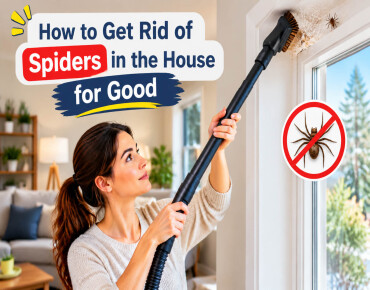
How to Get Rid of Spiders in the House for Good
Finding spiders around your home can be frustrating, especially when they keep coming back. Learn simple ways to remove spiders, clean up webs, seal entry points, and prevent them from returning. Discover practical tips to keep your Canadian home cleaner and less inviting to spiders.
Spiders in the house can be unsettling, especially when you keep finding webs in corners, spiders in the basement, or one crawling across your bedroom floor. In Canada, spiders may become more noticeable in late summer and fall as some species move indoors or search for sheltered places. The good news is that you can reduce their presence without spraying every room. Learning how to get rid of spiders in the house starts with three practical steps: remove the spiders and their webs, seal the openings they use to enter, and reduce the insects that attract them. These measures can make your home less inviting to spiders and help prevent recurring problems. The most effective way to get rid of spiders is to combine physical removal with long-term prevention. Vacuum spiders, webs, and accessible egg sacs; seal gaps around doors and windows; reduce clutter; repair screens; and manage other insects inside your home. If spiders keep returning or you suspect a potentially dangerous species, consider professional pest control. Finding several spiders around your home does not automatically mean you have an infestation. Spiders often enter through small openings, arrive inside boxes or firewood, or settle in quiet areas where insects are available. Here are some common reasons you may be seeing more spiders. Canadian homes offer spiders protection from changing outdoor temperatures. During the fall, certain species may become more noticeable as they seek sheltered places. Basements, garages, crawl spaces, and storage rooms provide suitable hiding spots. Spiders feed on insects and other small arthropods. If you have flies, moths, mosquitoes, or other insects inside, your home may provide a steady food supply. Reducing these insects can make your property less attractive to spiders. Check window screens, outdoor lights, food storage, and other conditions that may attract insects. Piles of cardboard, unused clothing, stored boxes, and clutter beneath furniture create sheltered spaces where spiders can hide undisturbed. You do not need to keep your home spotless. Focus on areas that remain untouched for long periods, particularly basements, closets, garages, and utility rooms. Gaps around pipes, damaged window screens, loose door sweeps, and cracks near the foundation can provide entry points. A spider problem that returns after cleaning may have more to do with these openings than with the cleaning routine itself. You do not always need chemical sprays to remove spiders. Start with physical removal and prevention, then consider other options if the problem continues. Vacuuming is a straightforward way to remove spiders from indoor spaces. Use the hose attachment to reach ceiling corners, baseboards, window frames, closets, and areas behind furniture. Pay particular attention to: If you find an egg sac, remove it carefully rather than leaving it in place. Avoid handling an unidentified spider or egg sac with bare hands. Empty or clean the vacuum according to the manufacturer's instructions. Why it works: Vacuuming removes visible spiders, webs, and potential egg sacs while helping you identify the places where spiders tend to settle. Spider webs can appear in the same corners again if the underlying conditions remain unchanged. Use a vacuum attachment, a long-handled duster, or a broom to remove accessible webs. For exterior webs, inspect sheltered areas around porch lights, eaves, windows, and garage doors. When cleaning, check whether a web is occupied before disturbing it. Wear gloves when working in garages, sheds, or other secluded spaces where you cannot easily see what is present. If webs keep returning to the same spot, inspect nearby openings and look for insects that may be attracting spiders. One of the best ways to keep spiders out of your house is to prevent them from entering in the first place. Inspect the following areas: Use appropriate caulking, weatherstripping, door sweeps, or repaired screens where needed. For larger structural gaps, choose a suitable repair method rather than simply covering the opening with tape. Sealing entry points also helps keep out some insects that spiders feed on. Spiders often settle in places that receive little attention. Reducing clutter makes these spaces easier to inspect and clean. Store belongings in lidded plastic containers where practical. Keep cardboard boxes off the floor, avoid leaving clothes in piles, and move stored items away from walls when you clean. If you are reorganizing a shed or garage, wear gloves and long sleeves. Check shoes, gloves, and folded clothing before using them if they have been stored for a long time. Spiders may remain around your home when insects are readily available. Look for the source of the insect activity rather than treating every spider as a separate problem. Practical steps include: Outdoor lights can attract insects, depending on the bulb and surrounding conditions. Consider using suitable lower-attraction lighting and positioning it away from entrances where practical. Spiders can occasionally enter homes inside stored belongings, boxes, plants, or firewood. Before bringing these items inside, check for spiders and webs. Inspect firewood outdoors before carrying it in, and bring inside only the amount you need. Shake out outdoor equipment and inspect boxes that have been stored in garages or sheds. This is especially useful if you regularly bring in seasonal decorations, gardening supplies, or belongings from storage. If physical removal and prevention are not enough, a suitable pesticide may help control a persistent spider problem. In Canada, choose a product registered by Health Canada for the specific pest and location where you intend to use it. Check the Pest Control Product (PCP) registration number and follow all label directions. Do not assume that a product labelled for outdoor use is safe to spray indoors. Keep children and pets away from treated areas for the period specified on the label, and never mix pesticides unless the instructions specifically allow it. Chemical treatment should support a broader prevention plan. Spraying without sealing entry points or reducing hiding places may not solve a recurring problem. Many homeowners prefer natural ways to get rid of spiders because they want to avoid unnecessary chemical use around children, pets, or living spaces. The most dependable starting points are physical removal, cleaning, clutter reduction, and exclusion. Some popular home remedies for spiders have less convincing evidence behind them. Essential oils deserve extra caution if you have pets, particularly cats and birds, because some oils can be harmful to animals. Never apply concentrated oils to pets or their bedding unless a qualified veterinarian has advised that the specific product is safe. Health Canada advises against making homemade pesticides because their safety and effectiveness have not been scientifically evaluated. Even when a remedy is described as natural, that does not automatically make it safe or effective. For most homes, sealing entry points and removing spiders and webs are better starting points than relying on scented sprays. Once you have removed the spiders you can see, focus on making the home less accessible and less attractive to new ones. Use this practical checklist: A simple routine is often more useful than a single intensive cleaning session. Check quiet areas during your normal cleaning schedule and address new webs before they become a recurring nuisance. Spiders may appear in any room, but certain locations provide more shelter and fewer disturbances. These areas often contain stored belongings, dark corners, and openings around utility lines. Inspect the edges of the room, behind stored items, and around windows. Garages and sheds may attract spiders because they contain boxes, equipment, firewood, and other undisturbed items. Wear gloves when moving stored belongings and inspect secluded spaces before reaching into them. Spiders can enter bedrooms through windows, gaps, or belongings brought indoors. Keep clothes off the floor, inspect stored shoes, and vacuum behind furniture. Spiders may appear around cupboards, under sinks, and near windows. Check for gaps around pipes and investigate other insects that may be present. If spiders repeatedly appear in one room, concentrate on the room's entry points and hiding places before treating the entire house. Professional spider pest control may be appropriate when spiders keep appearing despite your prevention efforts, you find repeated egg sacs, or the problem affects several areas of your home. A pest control professional can inspect likely entry points, identify the spider when possible, assess the extent of the problem, and recommend a treatment plan suited to the property. Consider arranging an inspection if: Ask the provider what the inspection includes, which treatment methods they recommend, whether pesticides will be used, and what preparation is required. If pesticides are proposed, ask about the product's Canadian registration and the precautions needed for children and pets. In Canada, black widow spiders are uncommon but occur in some southern areas. If you suspect one, avoid handling it and seek qualified identification. Do not assume every dark spider is a black widow. Most spiders found in Canadian homes are not dangerous to people and generally avoid contact. If a bite causes severe pain, muscle cramps, difficulty breathing, or other serious symptoms, seek urgent medical attention. Small changes in your approach can make spider control more effective. Relying on sprays alone: Pesticides do not fix gaps, clutter, or the insect activity that may attract spiders. Address those conditions as well. Using essential oils as the only solution: Scented remedies may not provide reliable or lasting control. Use proven physical removal and exclusion methods first. Ignoring the exterior of the house: Webs, insects, and openings around doors and windows can contribute to indoor spider activity. Include the exterior in your inspection. Leaving egg sacs in place: Removing visible spiders while overlooking accessible egg sacs may allow more spiders to emerge later. Using pesticides incorrectly: Applying too much product or using an outdoor pesticide inside can create unnecessary risks. Follow the registered product's label. Expecting a completely spider-free home forever: Occasional spiders can still enter even when a home is well maintained. The realistic goal is to reduce their numbers and prevent recurring activity. A few targeted habits can make your efforts more effective. These steps help you focus on the conditions that allow spiders to settle indoors instead of relying on a quick fix. Vacuum visible spiders, webs, and accessible egg sacs, then inspect nearby corners and entry points. This removes the immediate problem. To reduce the chance of more spiders appearing, repair damaged screens, seal gaps around doors and windows, and reduce clutter in the affected area. Start by vacuuming spiders and webs, sealing cracks, repairing screens, and keeping storage areas organized. These methods do not require chemical sprays. Essential oils and other popular natural remedies have less certain long-term effectiveness, so avoid relying on them as your main method of control. Spiders may keep returning because entry points remain open, sheltered areas are undisturbed, or insects provide a food source. Cleaning visible webs alone may not address these conditions. Inspect the room where spiders appear most often and combine regular removal with repairs and insect prevention. Peppermint, lavender, and other strong scents are often promoted as spider repellents, but evidence that they reliably keep spiders out of an entire home is limited. Essential oils can also pose risks to pets. Sealing gaps, repairing screens, and removing spiders physically are more dependable starting points. Most spiders found in Canadian homes pose little risk to people and tend to avoid contact. Black widow spiders are uncommon but occur in some southern regions. Avoid handling unidentified spiders, and seek professional identification if you are concerned. Get urgent medical help if a suspected bite causes severe or systemic symptoms. You may consider a registered pesticide if physical removal and prevention are insufficient. In Canada, check that the product is authorized for the spider and indoor location, and follow every label precaution. Keep children and pets away as directed. Never use an outdoor-only product inside your home. Consider professional pest control if spiders repeatedly appear in several rooms, you find recurring egg sacs, or you suspect a potentially dangerous species. A professional can assess the situation and recommend suitable control methods. Ask about inspection, treatment, product registration, safety precautions, and follow-up recommendations before proceeding. No method can guarantee that spiders will never enter your home again. You can, however, greatly reduce opportunities for entry by sealing gaps, maintaining screens, reducing clutter, removing webs, and managing insects. Regular inspections help you catch recurring activity early and avoid larger problems. Learning how to get rid of spiders in the house for good is mainly about removing current spiders and changing the conditions that attract them. Vacuum webs and egg sacs, seal entry points, organize storage areas, and reduce insects around your home. Natural remedies may have a limited role, but they should not replace practical prevention. If spider activity continues despite these steps, professional spider pest control can help identify the cause and determine whether further treatment is needed. With regular maintenance and a targeted approach, you can make your Canadian home less inviting to spiders without relying on unnecessary pesticide use.
How to Get Rid of Spiders in the House
Why Are There So Many Spiders in My House?
1. Spiders Are Looking for Shelter
2. Your Home Has Other Insects
3. There Are Too Many Hiding Places
4. Spiders Can Enter Through Small Openings
7 Effective Ways to Get Rid of Spiders in the House
1. Vacuum Spiders, Webs, and Egg Sacs
2. Remove Spider Webs Regularly
3. Seal Cracks and Entry Points
4. Reduce Clutter in Basements, Closets, and Garages
5. Reduce the Insects That Attract Spiders
6. Inspect Items Before Bringing Them Indoors
7. Consider Registered Spider-Control Products When Necessary
Natural Ways to Get Rid of Spiders
Do Natural Spider Repellents Work?
Method What to know Vacuuming and web removal Physically removes spiders and their webs. Sealing gaps and repairing screens Helps prevent spiders from entering. Reducing clutter Removes sheltered hiding places. Peppermint or other essential oils Repellent claims vary, and lasting effectiveness in homes is not well established. Vinegar mixtures Do not rely on homemade mixtures as a proven, long-term spider-control method. Ultrasonic plug-in devices Do not assume they will solve a spider problem without reliable evidence for the specific device and pest. How to Keep Spiders Out of Your House
Where Do Spiders Commonly Hide in Canadian Homes?
Basements and Crawl Spaces
Garages and Sheds
Bedrooms and Closets
Kitchens and Bathrooms
When Should You Call Professional Spider Pest Control?
Common Mistakes to Avoid When Removing Spiders
Expert Tips for Better Long-Term Spider Control
Frequently Asked Questions
1. What is the fastest way to get rid of spiders in the house?
2. How do I get rid of spiders naturally?
3. Why do spiders keep coming back to my house?
4. What smells keep spiders away?
5. Are spiders in Canadian homes dangerous?
6. Should I use spider spray indoors?
7. When should I hire a spider exterminator?
8. Can I keep spiders out of my house permanently?
Conclusion