- Made to Exterminate: (647)-956-5868
- info@pesterminate.ca


How Often Should a Toronto Home Get Pest Control?
Have Any Question?
Contact us, our service man will give you support ASAP to move your live without pest problem.
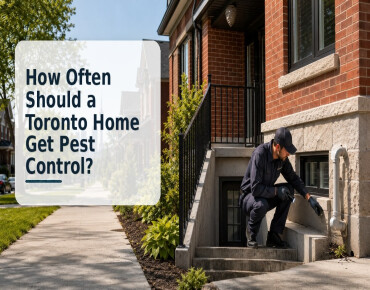
How Often Should a Toronto Home Get Pest Control?
Helpful Toronto pest control guide from Pesterminate with practical tips, warning signs, and when to call a local expert.
Most Toronto homes should receive a professional pest inspection once or twice a year. However, homes with recurring infestations, shared walls, older construction, moisture problems, nearby garbage areas, or a history of rodents and cockroaches may need quarterly pest control. Restaurants, apartment buildings, rental properties, and other high-risk commercial locations may require monthly monitoring or a customized treatment schedule. An active infestation involving mice, rats, cockroaches, bed bugs, termites, or wasps should be inspected immediately rather than left until the next routine visit. This guide explains how often pest control should be scheduled for Toronto homeowners, tenants, condo residents, landlords, restaurant owners, office managers, and commercial property owners. There is no single pest control schedule that works for every property. The right frequency depends on the building, pest history, surrounding environment, sanitation conditions, moisture levels, and whether the property shares walls or utility systems with neighbouring units. A practical starting schedule is: An annual inspection may be enough for a well-maintained detached home that has no recent pest sightings, moisture problems, structural openings, or infestation history. Annual service works best when the homeowner also seals entry points, stores food properly, keeps garbage containers closed, and regularly checks basements, kitchens, garages, and storage rooms. Many Toronto homeowners benefit from inspections in spring and fall. A spring inspection can identify emerging ants, flies, wasps, and other insects. A fall inspection can locate openings that mice and rats may use when colder weather encourages them to seek indoor shelter. Semi-annual service is especially useful for homes with: Quarterly pest control may be appropriate for properties with recurring activity or ongoing risk factors. This can include: Quarterly service should include inspection, monitoring, sanitation advice, entry-point assessment, and targeted treatment where necessary. Monthly monitoring may be suitable for restaurants, cafés, bakeries, grocery stores, warehouses, commercial kitchens, apartment buildings, and other properties with ongoing food, waste, delivery, or storage activity. These businesses often have more pest pressure because of: A professional Commercial Pest Control Toronto program can provide regular inspection records, monitoring, corrective recommendations, and treatment when activity is discovered. Different properties have different vulnerabilities. A small condo unit does not face the same pest risks as a detached house, restaurant, warehouse, or multi-unit rental building. A low-risk detached home may only need one or two professional inspections each year. Semi-detached homes may need more frequent monitoring because pests can move through connected rooflines, foundations, wall voids, or utility openings. Homeowners should pay particular attention to: For example, an East York homeowner who hears scratching above a basement ceiling in October should not wait for an annual inspection. This may indicate mice entering as temperatures fall. Even a clean condo or apartment can experience pest activity. Cockroaches, mice, ants, and bed bugs may travel through shared walls, pipe chases, electrical conduits, hallways, laundry rooms, and garbage areas. Residents should report recurring activity to the landlord, condominium board, or property manager. Treating only one unit may not solve a problem that extends into neighbouring units. Signs a Condo Pest Problem May Be Building-Wide Landlords and property managers should arrange an inspection as soon as pest activity is reported. Inspections may also be helpful: Clear communication, preparation instructions, treatment records, and follow-up visits can help prevent the infestation from spreading. Toronto restaurants require consistent monitoring because food, warmth, moisture, waste, and frequent deliveries can attract pests. Key inspection areas include: Restaurant owners should maintain pest-sighting records, cleaning schedules, service reports, and corrective-action logs. Standard offices may need semi-annual or quarterly monitoring, depending on their location and building conditions. Common risk areas include: An office located above or beside a restaurant may require more frequent monitoring than a standalone office building. Warehouses and retail properties may be exposed to pests through deliveries, pallets, storage racks, loading docks, exterior doors, waste compactors, and incoming goods. Mixed-use properties can be particularly challenging when restaurants or retail units operate below residential apartments. Regular inspections should cover both individual units and shared service areas. Toronto properties face changing pest pressures throughout the year. Building design, seasonal weather, sanitation, moisture, food availability, and nearby construction can all affect how frequently pest control is needed. Older homes may have cracks around foundations, worn door frames, aging brickwork, gaps around utility pipes, unfinished basements, old drains, or hidden wall voids. These conditions do not automatically mean a property is infested, but they can create entry points and shelter for rodents and insects. Cockroaches, mice, ants, and bed bugs can move through connected spaces. Treating visible pests in one room may provide temporary relief without addressing activity inside walls or neighbouring units. Coordinated inspections are often more effective when several residents report similar problems. Uncovered bins, overflowing garbage rooms, food spills, compost, and loose waste bags can attract flies, cockroaches, mice, rats, ants, and wasps. Garbage containers should have secure lids and be cleaned regularly. Restaurant waste areas should also be checked for leaks, grease, damaged doors, and pest harbourage. Leaking pipes, damp basements, clogged drains, condensation, and standing water can support cockroaches, ants, flies, silverfish, and other moisture-seeking pests. Treatment may fail if the underlying leak or moisture source is not corrected. Excavation, demolition, utility work, and interior renovations can disturb existing pest harbourage. Mice, rats, and cockroaches may appear after construction begins in an attached building. Property owners should inspect new openings, construction materials, wall cavities, and utility penetrations. Warm weather increases the activity of ants, flies, wasps, and many outdoor insects. Cold weather can encourage rodents to enter heated homes, restaurants, garages, and commercial buildings. Pests do not disappear completely during winter. Heated indoor environments can support activity throughout the year. A seasonal inspection plan helps property owners identify pest risks before they become larger infestations. Spring is a good time to inspect for ants, emerging wasps, flies, exterior rodent damage, and openings created during winter. Check: Summer pest activity often includes ants, flies, wasps, cockroaches, and outdoor rodents. Keep outdoor dining areas, barbecues, garbage bins, compost containers, and patios clean. Never disturb an active wasp nest near a roofline, soffit, wall cavity, or high-traffic entrance without proper equipment. Fall is an important time for rodent prevention. Inspect: Store pet food, birdseed, dry goods, and seasonal items in sealed containers. Winter inspections should focus on mice, rats, cockroaches, bed bugs, and indoor flies. Check basements, kitchens, boiler rooms, storage spaces, laundry rooms, ceiling voids, and utility areas. Indoor winter sightings should not be dismissed simply because it is cold outside. Treatment frequency depends on the pest, infestation severity, building type, and treatment method. Some problems require one removal visit, while others need several treatments and ongoing monitoring. Cockroaches should be inspected promptly when you find live insects, droppings, egg cases, shed skins, or a persistent musty smell. Several follow-up visits may be needed because cockroaches hide behind appliances, in cabinets, around drains, and inside wall voids. Learn more about professional Cockroach Control Toronto. Call for an inspection when you notice: Effective Mice Removal Toronto should include trapping or another suitable control method, sanitation advice, entry-point identification, exclusion, and follow-up monitoring. Indoor rat activity requires urgent attention, especially in restaurants, warehouses, basements, and commercial buildings. Warning signs include burrows, large droppings, greasy rub marks, strong odours, gnawing, and damaged wiring. Professional Rat Removal Toronto should address both the rats and the food, water, waste, or structural conditions supporting them. A few outdoor ants may not require professional treatment. However, repeated indoor trails or ants appearing in kitchens, bathrooms, basements, walls, or wooden structures should be investigated. Spraying visible ants may not eliminate a hidden colony. Professional Ant Control Toronto focuses on identifying the species and locating the source. Bed bugs should be inspected immediately when live insects, eggs, shed skins, dark spotting, or other physical evidence is found. Inspect mattresses, bed frames, upholstered furniture, baseboards, luggage, and adjoining rooms. Bed bugs are difficult to eliminate with general store-bought sprays and may spread when treatment is incomplete. A wasp nest near an entrance, patio, roofline, balcony, or occupied area should be assessed promptly. Do not block an active nest entrance or attempt removal from a ladder. Anyone with a known sting allergy should keep away from the area and seek professional assistance. Possible termite signs include mud tubes, damaged wood, discarded wings, hollow-sounding timber, and unexplained structural deterioration. Termite treatment should be based on a detailed inspection. Follow-up monitoring depends on the building, treatment method, and extent of activity. Fly control should focus on the breeding source rather than only killing adult flies. Inspect: Restaurants and food-handling businesses may need ongoing monitoring and sanitation improvements. Consider increasing inspection or service frequency when: Daytime activity may suggest disturbed harbourage, limited food, overcrowding, or a larger population. It should be investigated, although a daytime sighting alone cannot confirm infestation size. Inspect under sinks, behind appliances, inside cupboards, along basement walls, near garbage areas, and in storage rooms. Avoid handling contaminated materials with bare hands. Sounds in ceilings, walls, attics, or basements may indicate rodents. Setting one trap may not be enough if entry points remain open. Strong smells may come from rodent urine, accumulated droppings, cockroach activity, contaminated waste, or a dead animal. The source should be identified and removed safely. Recurring activity may indicate: Widespread activity often requires a coordinated inspection rather than isolated treatment. This is especially important in condos, apartment buildings, restaurants, offices, and mixed-use properties. DIY prevention can help with low-level issues, but serious or recurring infestations often require professional identification and treatment. Different ants, flies, beetles, cockroaches, and rodents require different treatment methods. Using the wrong approach can waste time and allow the infestation to grow. Pests may hide inside wall voids, drains, ceilings, appliances, rooflines, underground burrows, or adjoining units. Treating only the pests you can see may not reach the source. In apartments and condos, treating one unit may temporarily push pests into another area. Property management may need to arrange inspections of adjoining units and common spaces. Never mix pesticides, exceed label directions, or use outdoor-only products indoors. Keep products away from children, pets, food, and food-preparation surfaces. Follow all preparation, ventilation, and re-entry instructions. Professional assistance is strongly recommended for: A trained pest control professional can identify the pest, select an appropriate method, determine safe placement, provide preparation instructions, document treatment, and schedule follow-up monitoring. Professional pest management may combine: Before service, ask what pest was identified, which areas will be treated, how to prepare, whether occupants or pets must leave, when re-entry is permitted, and what follow-up is included. A professional inspection should identify the pest, locate likely entry points and harbourage, assess the extent of activity, and recommend a suitable treatment and prevention plan. The technician may ask when the pest was first seen, where activity occurs, what treatments have already been attempted, and whether there have been leaks, deliveries, renovations, or neighbouring pest problems. Depending on the pest, the inspection may cover kitchens, bathrooms, basements, appliances, cabinets, plumbing lines, storage areas, furniture, baseboards, ceilings, and utility spaces. Exterior checks may include foundations, doors, windows, vents, garages, rooflines, utility penetrations, decks, sheds, garbage storage, landscaping, and drainage. The technician should identify the pest, estimate the activity level, and consider risks involving children, pets, food areas, allergies, sensitive equipment, and neighbouring units. The plan may include monitoring, trapping, baiting, exclusion, targeted treatment, sanitation advice, and moisture correction. Follow-up visits help determine whether activity is decreasing and whether additional treatment, repairs, or preventive steps are required. Regular prevention can reduce pest risk, although it cannot guarantee that pests will never enter. Inspect door gaps, window frames, vents, pipes, cables, foundations, siding, soffits, roofs, and garage doors. Do not seal an active rodent or wasp opening until you know whether animals are trapped inside. Use sealed containers, clean spills quickly, rotate stored products, inspect incoming packages, and avoid leaving pet food out overnight. Check under sinks, behind appliances, around drains, in basements, and outside the building. Repair leaks and improve ventilation where condensation continues. Use tightly fitted lids, clean bins regularly, remove food residue, and avoid leaving loose waste bags beside containers. Clean beneath refrigerators, stoves, dishwashers, laundry appliances, vending machines, and commercial kitchen equipment. Remove unnecessary cardboard, paper bags, unused furniture, and crowded storage. Organized spaces are easier to inspect and clean. Check basements, kitchens, bathrooms, garages, garbage rooms, boiler rooms, storage spaces, and laundry areas each month. Match professional inspection frequency to the property’s risk level and keep a record of sightings, repairs, and treatment results. Pest control prices in Toronto vary because every property and infestation is different. An accurate quote may require photographs, a detailed description, or an onsite inspection. View more information about Toronto Pest Control Prices. Ants, mice, rats, cockroaches, bed bugs, termites, flies, and wasps require different products, equipment, labour, and follow-up. A small, isolated problem may cost less to manage than activity affecting several rooms, units, floors, or exterior areas. A condo, detached house, restaurant, warehouse, and apartment building have different inspection and treatment requirements. Costs can vary depending on whether the service requires trapping, exclusion, monitoring, baiting, heat-based treatment, targeted application, or structural repairs. Some infestations may be addressed in one visit, while others need initial treatment, follow-up inspections, and ongoing monitoring. Commercial properties may require additional monitoring points, treatment documentation, after-hours scheduling, and food-safety precautions. Homeowners can explore Residential Pest Control Toronto, while businesses can review commercial service options. Urgent or same-day pest control may depend on technician availability, location, pest type, and property conditions. Call promptly for indoor rats, severe cockroach activity, unsafe wasp nests, or pest activity affecting a restaurant or commercial operation. Pest risks vary across Toronto and the GTA because neighbourhoods contain different combinations of older homes, high-rise condos, restaurants, warehouses, ravines, commercial plazas, and active construction. These communities include detached houses, semi-detached homes, row houses, apartments, storefronts, basements, laneways, patios, and mixed-use buildings. Common concerns may involve mice entering older foundations, ants around kitchens and gardens, cockroaches moving through shared walls, or flies near restaurant waste areas. Detached homes, townhouses, apartment buildings, commercial plazas, garages, yards, and sheds can create different pest-control needs. Property owners should inspect exterior gaps, stored materials, garbage areas, garages, rooflines, and outdoor structures. High-rise condos, apartment towers, restaurants, offices, hotels, and mixed-use buildings often share utilities, garbage rooms, loading areas, and service corridors. Coordinated management is important when cockroaches, mice, rats, bed bugs, or flies affect more than one unit. These areas contain condominiums, detached homes, office buildings, commercial plazas, warehouses, basements, and active developments. Construction activity, loading areas, landscaping, waste storage, and food businesses can influence pest pressure. Homes, apartment communities, industrial properties, restaurants, and warehouses should monitor garages, loading docks, pallets, waste storage, standing water, and exterior rodent activity. Pesterminate Inc. provides pest control support across Toronto and nearby GTA communities, including Danforth, Scarborough, East York, North York, Downtown Toronto, Etobicoke, York, The Beaches, Leslieville, Riverdale, Markham, Vaughan, Mississauga, Brampton, Pickering, Ajax, and Richmond Hill. Contact the company to confirm service availability for your property. Call a professional when pests appear repeatedly, activity spreads to several rooms, droppings or nests are found, structural damage is suspected, or DIY treatment does not work. Daytime sightings of cockroaches or rodents deserve prompt investigation, particularly when they occur repeatedly. Photograph the evidence where possible and avoid direct contact. Droppings and damaged food packaging may indicate contamination. Noises in walls, ceilings, attics, basements, or cupboards may indicate mice or rats. Recurring activity usually means the nest, harbourage, neighbouring source, or entry point has not been addressed. Prompt action protects food, employees, customers, stock, equipment, and business operations. Tenants should notify the landlord or property manager. Adjoining units and common areas may also require inspection. These pests can involve complex treatment, hidden harbourage, structural concerns, contamination risks, or physical danger. Professional assessment is generally safer and more effective. Pesterminate Inc. supports homeowners, tenants, landlords, property managers, restaurants, offices, and commercial building owners throughout Toronto and the GTA. Local service helps technicians understand the pest risks associated with Toronto basements, older homes, condos, apartments, restaurants, shared walls, garbage areas, and seasonal weather. Pesterminate provides service for homes, condos, rental properties, restaurants, offices, warehouses, and other commercial environments. Customers with urgent pest problems can ask about same-day service availability when booking. Time-sensitive cases can be assessed based on the pest, location, property use, safety risk, and technician availability. A professional inspection helps identify the pest, locate likely entry points, and create a treatment plan suited to the property. Treatment selection should consider occupants, pets, food areas, building use, infestation severity, and the pest involved. Pesterminate provides support for cockroaches, mice, rats, ants, bed bugs, wasps, termites, flies, and other common property pests. For most low-risk Toronto homes, an annual or semi-annual pest inspection is a sensible starting point. Properties with recurring pest problems, shared walls, older structural openings, moisture, food storage, or nearby waste areas may need quarterly service. Restaurants, apartment buildings, and high-risk commercial properties may require monthly or customized monitoring. Active infestations should always be addressed promptly. Contact Pesterminate Inc. for a professional inspection, pest treatment, prevention plan, or same-day pest control service in Toronto. Most low-risk Toronto homes should receive pest control inspections once or twice a year. Homes with recurring pests, shared walls, moisture, or structural gaps may need quarterly monitoring. Yes. Pests can move between units through pipes, walls, hallways, garbage rooms, and utility systems. Quarterly or building-wide monitoring may be appropriate when activity is recurring. Spring and fall are useful times for preventive inspections. Spring helps identify emerging insects, while fall helps locate rodent entry points before colder weather. Restaurants may benefit from monthly or customized monitoring based on food storage, waste, deliveries, building conditions, and infestation history. Quarterly service can be worthwhile for properties with recurring pest activity, shared walls, restaurant neighbours, frequent deliveries, moisture issues, or previous rodent and cockroach infestations.
How Often Should You Schedule Pest Control in Toronto?
Is Annual Pest Control Enough for a Toronto Home?
When Is Semi-Annual Pest Control Recommended?
Who May Benefit From Quarterly Pest Control?
When Is Monthly Pest Monitoring Appropriate?
Recommended Pest Control Frequency by Toronto Property Type
Detached and Semi-Detached Toronto Homes
Toronto Condos and Apartments
Rental Homes and Multi-Unit Buildings
Restaurants and Food-Service Businesses
Offices and Commercial Buildings
Warehouses, Retail Stores, and Mixed-Use Properties
Why Toronto Properties May Need Regular Pest Control
Older Homes and Aging Building Materials
Shared Walls in Condos, Apartments, and Row Houses
Garbage, Recycling, Compost, and Food Waste
Moisture, Leaks, and Standing Water
Construction and Renovation Activity
Toronto Weather and Seasonal Changes
Seasonal Pest Control Schedule for Toronto Homes
Spring Pest Control in Toronto
Summer Pest Control in Toronto
Fall Pest Control in Toronto
Winter Pest Control in Toronto
How Often Should Different Toronto Pests Be Treated?
Cockroach Control Toronto
Mice Removal Toronto
Rat Control and Rat Removal Toronto
Ant Control Toronto
Bed Bug Control Toronto
Wasp Removal Toronto
Termite Control Toronto
Fly Control for Toronto Homes and Businesses
Warning Signs You Should Increase Pest Control Frequency
Pests Are Appearing During the Day
You Find Droppings, Eggs, Nests, or Shed Skins
You Hear Scratching, Squeaking, or Movement in Walls
There Are Persistent or Unusual Odours
DIY Treatment Works Briefly but Pests Return
Several Units or Rooms Have Pest Activity
When DIY Pest Control May Fail
The Pest Has Been Misidentified
The Nest or Harbourage Is Hidden
The Property Has Shared Walls
Store-Bought Products Are Used Incorrectly
The Infestation Involves High-Risk Pests
Why Licensed Pest Control Is Safer for Serious Infestations
What Happens During a Professional Toronto Pest Inspection?
Property and Pest-History Review
Interior Inspection
Exterior Inspection
Identification and Risk Assessment
Treatment and Prevention Plan
Follow-Up and Ongoing Monitoring
Toronto Pest Prevention and Maintenance Checklist
Seal Pest Entry Points
Store Food and Pet Supplies Properly
Remove Standing Water and Repair Leaks
Keep Garbage and Recycling Containers Closed
Clean Under and Behind Appliances
Reduce Clutter
Inspect High-Risk Rooms Regularly
Schedule Regular Pest Inspections
How Much Does Pest Control Cost in Toronto?
Pest Type
Infestation Size and Severity
Property Size and Layout
Treatment Method
Number of Visits Required
Residential vs. Commercial Pest Control
Emergency or Same-Day Pest Control Needs
Pest Control Services Across Toronto and Nearby GTA Areas
Danforth, East York, Leslieville, Riverdale, and The Beaches
Scarborough, Pickering, and Ajax
Downtown Toronto and York
North York, Markham, Richmond Hill, and Vaughan
Etobicoke, Mississauga, and Brampton
Pest Control Throughout the Greater Toronto Area
When to Call a Professional Pest Control Company in Toronto
You See Pests During the Day
You Find Droppings, Nests, Eggs, Gnawing, or Shed Skins
You Hear Scratching or Movement at Night
Pests Return After DIY Treatment
The Problem Is in a Restaurant or Commercial Property
The Infestation Is in a Rental or Multi-Unit Building
The Pest Is a Rodent, Cockroach, Bed Bug, Wasp, or Termite
Why Choose Pesterminate Inc. in Toronto?
Local Toronto Pest Control Experience
Residential and Commercial Pest Control
Same-Day Service Availability Where Applicable
Emergency Pest Control Support
Professional Inspection and Customized Treatment
Safe and Effective Pest Control Methods
Help With Common Toronto Pests
Protect Your Toronto Property With the Right Pest Control Schedule
Frequently Asked Questions
How often should I get pest control for my Toronto home?
Do Toronto condos and apartments need regular pest control?
What is the best season for pest control in Toronto?
How often should a Toronto restaurant schedule pest control?
Is quarterly pest control worth it for a Toronto property?