- Made to Exterminate: (647)-956-5868
- info@pesterminate.ca


How to Choose the Best Pest Control Company in Toronto
Have Any Question?
Contact us, our service man will give you support ASAP to move your live without pest problem.
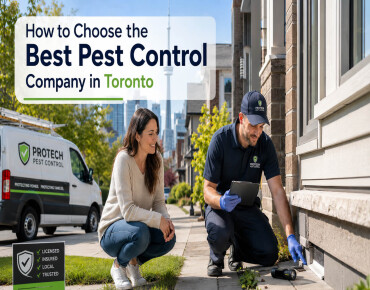
How to Choose the Best Pest Control Company in Toronto
Looking for the best pest control company in Toronto? Learn what to check before hiring, including licensing, local pest expertise, pricing, guarantees, reviews, and prevention advice.
The best pest control company in Toronto is one that is properly licensed, experienced with local pests, transparent about pricing, and able to explain exactly how it will inspect, treat, and help prevent the problem from coming back. For Toronto homes and businesses, that means choosing a company that understands pests in condos, apartments, older houses, restaurants, basements, laneways, garages, and shared commercial spaces. Toronto pest problems are not all the same. A mouse issue in an older East York home is different from a cockroach problem in a downtown high-rise, a bed bug concern in a condo, or a rat issue near a restaurant laneway. The right company should not offer a one-size-fits-all spray. It should inspect first, identify the pest, explain the cause, treat safely, and give you practical prevention steps. If you are comparing companies and searching for the best pest control company Toronto, use this guide to know what to ask, what to avoid, and when to call a professional. Pest control in Toronto is not just about removing a visible pest. It is about understanding why pests are entering, where they are nesting, how they are moving through the property, and what needs to change to stop the issue from returning. Toronto has several conditions that can make pest problems more complicated: The City of Toronto’s own rodent strategy focuses on reducing access to food, water, and shelter, which is the foundation of proper pest management, not simply placing traps and hoping for the best. A good Toronto pest control company should think the same way. It should look at the whole environment, not just the spot where you saw the pest. The best pest control company in Toronto should meet a few important standards. In Ontario, pesticide use is regulated through licensing, permits, and education requirements. The Ontario government states that pesticide sale, storage, use, transportation, and disposal are regulated by the Ministry of the Environment, Conservation and Parks. That matters because pest control products must be used correctly. A professional should know where products can be applied, how to protect people and pets, and when a non-chemical method is the better first step. Health Canada also maintains information about pest control products registered for use in Canada, which is important because not every product is appropriate for every situation. Before booking, ask: A reputable company will answer these questions clearly. Toronto has many pest issues, but the most common ones often include mice, rats, cockroaches, bed bugs, ants, wasps, spiders, flies, and occasional wildlife. The best pest control company in Toronto should understand how these pests behave in local property types. For example: Toronto Public Health notes that bed bugs can be found in hotels, dormitories, apartments, condos, private homes, offices, businesses, and some public places, and that anyone can get them. That is why local experience matters. A company that regularly works in Toronto will know that a pest issue in a downtown condo needs a different approach from a detached home in Scarborough or a restaurant near Danforth Avenue. A proper inspection is one of the clearest signs you are dealing with a professional. The technician should look for: For rodents, the inspection should include both inside and outside of the property. For cockroaches, it should include kitchens, bathrooms, appliances, cabinets, cracks, and plumbing areas. For bed bugs, it should include mattresses, bed frames, baseboards, headboards, couches, nightstands, and nearby rooms. A company that wants to treat immediately without asking questions or inspecting the property may miss the real cause. What Is Integrated Pest Management? Integrated Pest Management, often called IPM, is a professional pest control approach that uses inspection, identification, prevention, exclusion, sanitation, monitoring, and targeted treatment. In simple terms, IPM means: This is especially important in Toronto because many pest issues are connected to building design, waste storage, neighbouring properties, or shared structures. For example, placing bait for mice may reduce activity, but if holes around the foundation remain open, new mice may continue entering. Spraying for cockroaches may reduce visible activity, but if food debris, moisture, and cracks are ignored, the problem can return. The best pest control company in Toronto should not just ask, “What pest did you see?” It should ask, “Why is this pest here, and how do we stop it from coming back?” Rodents in Toronto Homes and Businesses Rodents are a serious issue in many parts of Toronto. The City has noted rodent-related service requests and has a formal rodent control approach that includes complaints about garbage, debris, and private properties where rodent issues are not being addressed. Rodent problems are common around: A good rodent control plan should include baiting or trapping, but it should also include entry-point inspection and exclusion recommendations. Cockroaches in Apartments, Condos, and Commercial Kitchens Cockroaches are common in buildings where there is warmth, moisture, food residue, and shared plumbing. A common client mistake is using store-bought sprays before calling a professional. This can push cockroaches deeper into walls or into neighbouring units, making the infestation harder to track. Professional cockroach control should usually involve inspection, gel bait, dust or targeted treatments where appropriate, monitoring, sanitation advice, and follow-up. Bed Bugs in Toronto Condos, Rentals, and Shared Spaces Bed bugs are not caused by poor hygiene. They are hitchhiking pests that can travel through luggage, clothing, furniture, and shared buildings. Toronto Public Health emphasizes prevention and notes that bed bugs can multiply and spread in many types of spaces, including apartments, condos, homes, hotels, dormitories, offices, and public places. A professional bed bug company should provide: Do not move mattresses, couches, or clothing from one room to another without guidance. That can spread the infestation. Use this checklist before hiring a pest control provider. A strong company should offer: Pesterminate’s website lists residential and commercial pest control services in Toronto and identifies common services such as rodents, bed bugs, fly control, and spiders, along with Toronto contact details and service information. Not every pest control company offers the same quality of service. Be cautious if a company: The cheapest option is not always the safest or most effective option. In pest control, poor treatment can mean repeat infestations, wasted money, property damage, and more stress. Pest control costs in Toronto depend on the pest, property size, infestation level, treatment method, number of visits, and whether sealing or follow-up is needed. As a general market reference, one Toronto pest control pricing guide lists average 2025 treatment costs in the range of about $175 to $450 per treatment, depending on pest type, property size, and infestation severity. Prices may be lower for simple one-time treatments and higher for complex infestations such as bed bugs, severe cockroach activity, rodents requiring exclusion, or commercial pest management. Common Pest Control Pricing Factors Why Cheap Pest Control Can Become Expensive A very low quote may not include: For example, a low-cost mouse treatment that does not include entry-point inspection may reduce activity for a short time, but if the gap behind the gas line or garage door remains open, the problem may return. DIY pest control can sometimes help with minor prevention, but it can also make problems worse when products are misused. Be Careful With Store-Bought Sprays Overusing sprays can scatter cockroaches, contaminate surfaces, or create unnecessary exposure for children and pets. Do Not Handle Rodent Poison Casually Rodenticides must be placed correctly and safely. Improper use can create risks for pets, children, wildlife, and non-target animals. Do Not Disturb a Wasp Nest Without Protection Wasp nests near doors, decks, sheds, and rooflines can be dangerous, especially for people with allergies. Do Not Move Bed Bug-Infested Furniture Through the Home Dragging furniture, bedding, or clothing through hallways can spread bed bugs into other rooms or units. When the pest is recurring, spreading, or causing health or safety concerns, professional help is the safer choice. Toronto property owners are expected to maintain properties in a way that helps prevent pest issues. The City states that all properties must be kept free of rodents, vermin, insects, and other pests, as well as conditions that may encourage infestations. This matters for landlords, tenants, homeowners, restaurants, commercial property owners, and property managers. If you are a tenant dealing with pests in Toronto: The City also provides a specific process for reporting bed bug concerns in rental units. When choosing a pest control company, it helps to work with a provider that understands your neighbourhood and nearby service area. Pest issues can vary across Toronto and the GTA. A home in the Beaches may have different entry-point risks than a high-rise near Yonge and Eglinton. A restaurant in Downtown Toronto may need a different pest prevention plan than a warehouse in Etobicoke or a detached home in North York. Pest Control in Toronto Neighbourhoods Pesterminate can target local pest control searches and service needs in areas such as: Pest Control Near Toronto and Across the GTA Nearby areas and suburbs to include in local service targeting include: These GEO modifiers can support local long-tail searches such as: best pest control company in North York, cockroach exterminator in Scarborough, mice control in Etobicoke, bed bug treatment in Downtown Toronto, rat control near Danforth, pest control company near me in Toronto, commercial pest control in Toronto restaurants. Professional treatment works best when it is supported by prevention. After a technician treats the issue, keep the property less attractive to pests. Rodent Prevention Tips Cockroach Prevention Tips Bed Bug Prevention Tips Wasp and Ant Prevention Tips Choosing the best pest control company in Toronto means choosing a team that understands local pest pressure, building types, and the urgency of protecting your home or business. Pesterminate provides pest control services in Toronto for residential and commercial properties, and its website highlights services for pests such as rodents, bed bugs, flies, spiders, ants, cockroaches, wasps, and termites. What Pesterminate Brings to Toronto Pest Control Pesterminate is a strong local option for customers who want: A Practical Pest Control Process A good pest control process should be simple and clear. Step 1: Inspect The technician checks the property, confirms the pest, looks for activity, and identifies likely entry points or causes. Step 2: Explain The customer should understand what pest is present, why it may be there, and what treatment is recommended. Step 3: Treat The treatment should match the pest, infestation level, property type, and safety needs. Step 4: Prevent The company should recommend sealing, cleaning, storage, moisture control, or monitoring steps. Step 5: Follow Up Some pests need follow-up. Rodents, cockroaches, and bed bugs often require monitoring after the first service. Call a pest control company as soon as you notice signs of an active or spreading infestation. Call Right Away If You See: Waiting usually makes the problem harder to control. In shared buildings, pests may spread to other rooms, neighbouring units, or connected service areas. If you are dealing with mice, rats, cockroaches, bed bugs, ants, wasps, spiders, flies, or another pest issue, Pesterminate can help you take the next step with professional pest control service in Toronto. Get clear answers, local service, and a treatment plan built around your property. Visit the main service page here: Pesterminate Pest Control Service in Toronto Choose a licensed Toronto pest control company that inspects first, explains the treatment plan, provides clear pricing, and gives prevention advice. Common pests in Toronto homes include mice, rats, cockroaches, bed bugs, ants, wasps, spiders, and flies. Pest control in Toronto often costs a few hundred dollars per treatment, but the final price depends on the pest, property size, infestation level, and follow-up needs. Professional pest control is usually better for rodents, cockroaches, bed bugs, wasps, and recurring infestations because the technician can identify the source and treat it safely. Toronto property standards require properties to be kept free of pests and conditions that encourage infestations, so tenants should report pest problems to landlords or property managers in writing. Pesterminate provides pest control services in Toronto and can target neighbourhoods such as Danforth, East York, Scarborough, North York, Etobicoke, Downtown Toronto, and nearby GTA areas. Call a pest control company when you see droppings, live pests, bed bug signs, cockroaches, rodent noises, wasp nests, or repeated pest activity after DIY attempts.
Why Choosing the Right Pest Control Company in Toronto Matters
What Makes a Pest Control Company the Best in Toronto?
1. Proper Licensing and Product Knowledge
2. Local Experience With Toronto Pest Problems
3. Inspection Before Treatment
Integrated Pest Management: The Best Approach for Toronto Properties
Toronto Specific Pest Problems to Consider
How to Compare Pest Control Companies in Toronto
Pest Control Company Hiring Checklist
Red Flags to Watch for When Hiring a Pest Control Company
How Much Does Pest Control Cost in Toronto?
Safety Warnings Before You Try DIY Pest Control
Local Property Standards and Pest Responsibilities in Toronto
Nearby Areas and GEO Service Coverage Around Toronto
Prevention Tips After Pest Control Treatment
Why Choose Pesterminate for Pest Control in Toronto?
When Should You Call a Pest Control Company in Toronto?
Ready to Book Pest Control in Toronto?
FAQs About Choosing the Best Pest Control Company in Toronto
1. How do I choose the best pest control company in Toronto?
2. What pests are most common in Toronto homes?
3. How much does pest control cost in Toronto?
4. Is professional pest control better than DIY treatment?
5. Do Toronto landlords have to deal with pest problems?
6. Does Pesterminate provide pest control near me in Toronto?
7. When should I call a pest control company in Toronto?