- Made to Exterminate: (647)-956-5868
- info@pesterminate.ca


Ant Control in Toronto - Complete Homeowner Guide
Have Any Question?
Contact us, our service man will give you support ASAP to move your live without pest problem.
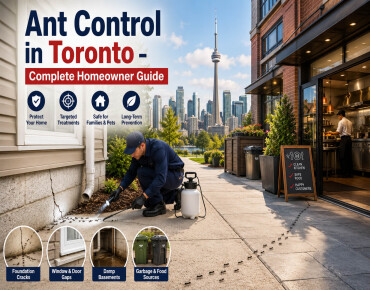
Ant Control in Toronto - Complete Homeowner Guide
Pesterminate Inc. provides professional ant control in Toronto for homes, condos, apartments, restaurants, offices, and commercial properties. Our team inspects entry points, identifies the ant species, treats the source of the problem, and helps prevent ants from returning with safe, effective pest control solutions across Toronto and the GTA.
Ant control in Toronto starts with finding where ants are entering, removing food and moisture sources, sealing access points, and using the right treatment for the ant species. Many Toronto homes, condos, apartments, restaurants, and commercial properties deal with ants because of shared walls, older buildings, basements, garbage areas, construction activity, and seasonal weather changes. This guide helps homeowners, tenants, landlords, restaurant owners, office managers, and commercial property owners understand why ants appear, how to prevent them, when DIY methods may fail, and when to call Pesterminate Inc. for professional ant control in Toronto and the GTA. Ant problems are common in Toronto because many properties give ants easy access to food, warmth, water, and hidden nesting areas. Older houses may have foundation gaps, damp basements, aging window frames, and small cracks around exterior walls. Condos and apartments may have shared walls, garbage rooms, plumbing lines, and storage areas where pests can move between units. Restaurants, offices, rental properties, and commercial buildings face extra risk because food waste, staff kitchens, garbage storage, and high foot traffic can attract ants quickly. Ant activity often increases in spring and summer when warmer weather brings colonies out to search for food and moisture. After rain, humidity changes, or sudden temperature shifts, ants may move indoors and show up around kitchens, bathrooms, basements, windows, and doors. Toronto property owners may also notice more ant activity during construction season. Disturbed soil, landscaping work, patio repairs, and exterior renovations can push ants closer to buildings. Ants usually enter a property because they find something useful inside. Common attractants include: Even a clean property can attract ants if there is moisture, hidden food residue, or a small access point near the foundation. In Toronto condos and apartments, ants may not start in your unit. They can travel through shared walls, plumbing lines, garbage chutes, hallway gaps, storage lockers, laundry rooms, and neighboring units. This is why ant control in multi-unit buildings often needs more than surface cleaning. If several units report the same issue, building management or a property manager may need to coordinate inspection and treatment. Different ants require different control methods. Correct identification matters because a treatment that works for one species may not work well for another. Pavement ants are often found around driveways, sidewalks, patios, garages, foundation edges, and lower-level entry points. They may enter kitchens or basements while searching for food. In Toronto homes, pavement ants are commonly noticed near exterior doors, basement windows, and cracks close to the ground. Carpenter ants can be a bigger concern because they may be linked to moisture-damaged wood. They are often associated with older homes, decks, window frames, roof leaks, damp basements, and wood that has been softened by water damage. Seeing large black ants indoors, especially with sawdust-like material nearby, should not be ignored. Carpenter ant activity may point to a hidden moisture or structural issue that needs professional inspection. Odorous house ants may appear in kitchens, bathrooms, wall voids, and areas with moisture or sweet food sources. They can be persistent because colonies may nest in hidden spaces and return after basic cleaning or spraying. Pharaoh ants can be difficult to control in apartments, condos, hospitals, restaurants, and commercial buildings. DIY sprays may make the problem worse by causing the colony to split and spread to new areas. If you suspect pharaoh ants, avoid spraying randomly. A professional inspection is safer and more effective. A few ants may not always mean a major infestation, but repeated activity is a warning sign. Toronto homeowners, tenants, landlords, and business owners should pay attention to where ants appear and how often they return. Visible trails often mean ants have found a steady food or moisture source. Trails around sinks, counters, windows, dishwashers, and baseboards are common signs that ants are entering from a nearby gap or hidden nesting area. Ants can travel through wall voids, utility openings, baseboard gaps, and shared building spaces. If they appear from outlets, wall cracks, or trim gaps, the nest may be hidden behind the wall or nearby. Lower-level ant activity may connect to foundation cracks, damp soil, exterior nesting areas, garage doors, or basement moisture. In Toronto’s older homes, basements are one of the most common areas where ants first appear. Sawdust-like material, also called frass, near wood, windows, baseboards, or structural areas may suggest carpenter ant activity. Large black ants inside an older Toronto home should be inspected carefully, especially if there has been water damage. If ants keep coming back after cleaning, traps, or store-bought sprays, the nest may not have been treated. The entry point may still be open, or the product may not match the ant species. Ants often hide close to food, water, warmth, or protected nesting spaces. Knowing where to check can help you spot a problem earlier. Check counters, pantries, under appliances, behind dishwashers, around sinks, restaurant prep areas, dry storage rooms, coffee stations, and staff kitchens. Grease and crumbs under equipment can attract ants even when the visible area looks clean. Bathrooms and laundry rooms provide moisture. Ants may appear around leaking fixtures, pipe gaps, wet cabinets, drains, damp towels, or warm wall voids. Basements and storage rooms often have humidity, clutter, foundation cracks, stored cardboard, and quiet corners. These areas should be inspected regularly, especially in older houses and rental properties. Ants may enter through windows, door sweeps, foundation gaps, brickwork, vents, decks, patios, utility lines, and damaged caulking. Sealing entry points is an important part of long-term prevention. In commercial spaces, ants can affect customer trust, tenant satisfaction, sanitation, and property management responsibilities. Restaurants, offices, and rental buildings should respond quickly because pest activity can spread and become harder to manage. DIY ant control may help with a small surface issue, but it often fails when the nest is hidden or the wrong product is used. Sprays usually kill the ants you can see. The main colony may remain active inside a wall, under flooring, outside near the foundation, or in another part of the building. Some ant species require careful treatment. Random spraying can scatter activity or make ants move deeper into the property. This is especially risky with certain ants in apartments, condos, and commercial buildings. Ant nests may be inside walls, under slabs, behind cabinets, around foundations, under patios, or outdoors. Without inspection, it is easy to treat the wrong area. Treatment works better when the source of the problem is also fixed. That means cleaning food residue, correcting moisture issues, sealing access points, and reducing clutter. Professional ant control in Toronto usually starts with inspection, not guesswork. A trained technician looks for the source of activity and chooses a treatment based on the ant species, property type, and infestation level. A technician checks ant trails, entry points, nesting areas, moisture sources, kitchens, basements, exterior walls, garbage areas, and nearby problem spots. In commercial spaces, inspection may also include food storage, staff areas, and waste handling zones. Identifying the ant species helps determine the best treatment. Pavement ants, carpenter ants, odorous house ants, and pharaoh ants may require different approaches. Treatment may involve baiting, crack-and-crevice work, exterior perimeter treatment, nest targeting, and prevention advice. The goal is to reduce current activity and address the source where possible. A good pest control service should help reduce future ant problems, not only treat the visible ants. Prevention may include sealing gaps, reducing moisture, improving sanitation, and monitoring high-risk areas. Some ant problems need more than one visit. Follow-up may depend on the ant species, nest location, property size, infestation level, and whether the issue is residential or commercial. Ant control should match the property. A detached house does not have the same pest pressure as a downtown condo, restaurant, or commercial building. Detached and semi-detached homes may have ant activity around basements, foundations, patios, garden beds, garages, older wood, and food storage areas. Exterior sealing and moisture control are often important. Apartments and condos may have shared walls, garbage rooms, storage lockers, laundry rooms, balconies, and neighboring unit issues. In these buildings, communication with building management may help prevent repeat problems. Landlords and property managers should act quickly when tenants report ants. Fast response, inspection, documentation, tenant communication, and prevention between tenants can help avoid recurring complaints. Restaurants and food businesses need extra care because ants can affect sanitation and customer confidence. Grease, crumbs, food storage, garbage handling, delivery areas, and floor drains should be inspected regularly. Offices and commercial buildings often have staff kitchens, break rooms, shared washrooms, garbage bins, storage rooms, and high-traffic areas. Regular pest inspections can help catch issues before they spread. Ants are only one of the common pest issues Toronto property owners face. If you are seeing multiple signs, a broader inspection may be needed. Cockroaches usually require a different inspection and treatment plan, especially in apartments, restaurants, and shared buildings. If you notice cockroaches along with ants, consider professional cockroach control in Toronto apartments and businesses. Rodents leave droppings, scratching sounds, gnaw marks, greasy rub marks, and entry holes. Ants usually form trails and search for food or moisture. For rodent activity, explore rat removal treatment in Toronto. Bed bugs are not usually related to food or moisture. They are often found around mattresses, furniture, bedrooms, and travel-related belongings. They require a separate treatment strategy. Wasps are usually an exterior nest issue and can be dangerous to remove without proper equipment. If you see an active wasp nest, avoid disturbing it. Termites and carpenter ants can both raise concerns about wood, but they are different pests. Professional identification is important before choosing a treatment plan. The cost of ant control in Toronto depends on the pest type, infestation size, property size, treatment method, nest location, and number of visits required. Residential and commercial properties may also have different needs. Pricing may depend on: For broader service information, visit professional pest control in Toronto. Commercial properties may need more detailed inspection, documentation, after-hours service, larger treatment areas, or recurring maintenance. A restaurant, office, or rental building may require a different plan than a single-family home. Same-day or emergency pest control in Toronto may depend on technician availability, your location, the pest issue, and the severity of the infestation. Urgent pest problems in restaurants, rental properties, or commercial spaces should be addressed as soon as possible. An inspection helps identify the ant species, entry points, nest location, and treatment needs. This makes pricing more accurate than guessing based only on visible ant activity. Prevention is one of the best ways to reduce future ant problems. Use this checklist for homes, condos, apartments, restaurants, offices, and rental properties. Seal gaps around doors, windows, foundations, pipes, vents, utility lines, baseboards, brickwork, and exterior cracks. Use airtight containers, clean crumbs quickly, wipe sticky spills, and keep pet food sealed when not in use. Keep indoor and outdoor garbage bins closed. In condos, restaurants, and commercial buildings, garbage rooms and waste areas should be cleaned and monitored often. Repair leaking pipes, dry damp basements, clear clogged drains, improve ventilation, and check under sinks and cabinets. Clean under ovens, fridges, dishwashers, microwaves, coffee stations, and restaurant equipment. Hidden crumbs and grease can attract ants. Reduce clutter in basements, garages, storage rooms, and mechanical rooms. Avoid storing old cardboard where pests can hide. Check for ant trails, moisture, cracks, crumbs, and hidden activity. Rental properties should be inspected between tenants when possible. Regular inspections are helpful for restaurants, older homes, rental properties, condos, and commercial buildings with recurring pest issues. You can also review pest control prices in Toronto before booking service. You should call a professional pest control company in Toronto when ants keep returning, appear in multiple rooms, or may be connected to a larger property issue. Widespread or daytime ant activity may mean the colony is established and actively searching across the property. Nests, eggs, unusual smells, or recurring trails should be inspected instead of repeatedly sprayed. If store-bought products have not solved the problem, the nest, species, or entry source may not have been addressed. Pest issues in commercial and rental properties can affect tenants, customers, staff, reputation, and sanitation expectations. For business properties, consider commercial pest control for Toronto businesses. Mixed pest activity needs professional inspection because different pests require different treatment methods. A full inspection can help determine whether ants are the only issue. Pesterminate Inc. provides pest control support for Toronto and nearby GTA areas, including residential and commercial properties. Danforth and East York include older homes, basements, storefronts, apartments, and mixed residential-commercial properties. Ants may appear around kitchens, foundations, patios, and food service areas. Scarborough properties include detached homes, apartment buildings, restaurants, commercial plazas, and basements. Ant activity may start near exterior entry points, garbage areas, or lower-level units. North York has condos, rental buildings, offices, townhomes, and restaurants. Shared walls, garbage rooms, staff kitchens, and storage spaces can make ant control more complex. Downtown Toronto condos, high-rise apartments, restaurants, offices, garbage rooms, and commercial kitchens can experience pest movement through shared spaces. Quick inspection helps reduce spread. Etobicoke and York include older houses, multi-unit properties, basements, garages, and exterior foundation access points. Moisture and entry gaps are common concerns. These areas include older homes, patios, gardens, restaurants, laneways, and moisture-prone spaces. Ant activity may increase around exterior walls, kitchens, and basements. Across the GTA, homes, townhouses, warehouses, restaurants, offices, and commercial spaces may see ant activity due to construction, landscaping, food storage, waste areas, and seasonal weather changes. Choosing the right pest control company matters, especially when ants keep coming back or the issue affects tenants, customers, or staff. Pesterminate Inc. understands pest pressures in Toronto homes, apartments, condos, basements, restaurants, offices, and commercial buildings. Pesterminate supports homeowners, tenants, landlords, restaurants, offices, rental properties, and commercial property owners. For homes, visit residential pest control services in Toronto. Same-day pest control may be available depending on your location, scheduling, pest issue, and technician availability. Urgent pest issues involving ants, cockroaches, rodents, wasps, bed bugs, or termites should be handled quickly, especially in food businesses and rental properties. Pesterminate focuses on inspection, targeted treatment, safety, and prevention guidance. This helps address both current pest activity and the conditions that may be attracting ants. Professional pest control is often safer for serious infestations, especially in homes with children, pets, tenants, food handling areas, or shared building spaces. Ant problems are easier to manage when the source is found early. Cleaning can help, but it may not solve an established infestation if the nest is hidden or ants are entering through unsealed gaps. If ants keep returning in your home, condo, apartment, restaurant, office, or commercial property, contact Pesterminate Inc. for inspection, treatment, and same-day pest control help where available. To get started, Contact Pesterminate Inc. The best way is to identify the ant species, find the entry points, remove food and moisture sources, and treat the nest or trail correctly. For recurring ant activity in a Toronto home, professional ant control is usually more effective than repeated DIY spraying. Ants may return because the nest is hidden, entry points are still open, food or moisture is available, or the problem is spreading from another unit. Shared walls, plumbing lines, garbage rooms, and storage areas can make ant issues harder to control in Toronto condos and apartments. Call an exterminator if you see ants in multiple rooms, notice recurring trails after DIY treatment, suspect carpenter ants, or manage a restaurant, rental property, or commercial building. Professional inspection helps find the source and reduce repeat activity. Same-day ant control may be available depending on location, scheduling, pest severity, and technician availability. Toronto homeowners and businesses should contact Pesterminate Inc. as early as possible for urgent ant or pest control service. Ant control cost in Toronto depends on the pest type, infestation size, property size, treatment method, number of visits, and whether the property is residential or commercial. An inspection helps provide a more accurate estimate.
Why Ant Problems Are Common in Toronto Properties
Seasonal Ant Activity in Toronto
Why Ants Enter Homes, Apartments, Condos, and Businesses
Why Ants Can Spread Between Units in Toronto Apartments and Condos
Common Types of Ants Found in Toronto
Pavement Ants
Carpenter Ants
Odorous House Ants
Pharaoh Ants in Apartments, Condos, and Commercial Buildings
Warning Signs You May Need Ant Control in Toronto
Ant Trails Around Kitchens, Bathrooms, or Windows
Ants Coming From Baseboards, Wall Cracks, or Electrical Areas
Ants Near Basements, Foundations, or Garages
Sawdust-Like Material or Large Black Ants
Recurring Ant Activity After Cleaning or DIY Treatment
Where Ants Commonly Hide in Toronto Homes and Businesses
Kitchens and Food Storage Areas
Bathrooms and Laundry Areas
Basements, Storage Rooms, and Mechanical Rooms
Exterior Entry Points
Commercial Kitchens, Restaurants, Offices, and Rental Properties
Why DIY Ant Control May Fail
DIY Sprays May Only Kill Visible Ants
Wrong Product Choice Can Make the Problem Worse
Hidden Nests Are Hard to Reach Without Inspection
Food, Moisture, and Entry Points Must Be Corrected
Professional Ant Control in Toronto: What to Expect
Step 1 - Property Inspection
Step 2 - Ant Identification
Step 3 - Treatment Plan
Step 4 - Prevention Guidance
Step 5 - Follow-Up When Needed
Ant Control for Different Toronto Property Types
Ant Control for Houses in Toronto
Ant Control for Apartments and Condos
Ant Control for Rental Properties and Landlords
Ant Control for Restaurants and Food Businesses
Ant Control for Offices and Commercial Buildings
Ant Control vs Other Common Pest Problems in Toronto
Ants vs Cockroaches
Ants vs Mice and Rats
Ants vs Bed Bugs
Ants vs Wasps
Ants vs Termites or Carpenter Ants
How Much Does Ant Control Cost in Toronto?
Factors That Affect Pest Control Pricing in Toronto
Residential vs Commercial Ant Control Costs
Same-Day or Emergency Pest Control Needs
Why an Inspection Helps Provide a More Accurate Estimate
Ant Prevention Checklist for Toronto Property Owners
Seal Entry Points
Store Food Properly
Keep Garbage Bins Closed
Remove Standing Water and Moisture
Clean Under Appliances
Reduce Clutter
Inspect Basements, Kitchens, Bathrooms, and Storage Rooms
Schedule Regular Pest Inspections
When to Call a Professional Pest Control Company in Toronto
You See Ants During the Day or in Multiple Rooms
You Notice Nests, Eggs, Bad Smells, or Repeated Trails
DIY Treatment Has Not Worked
You Manage a Restaurant, Rental Property, or Commercial Space
You Suspect Rodents, Cockroaches, Bed Bugs, Wasps, or Termites Too
Pest Control Services Across Toronto and Nearby GTA Areas
Ant Control in Danforth and East York
Ant Control in Scarborough
Ant Control in North York
Ant Control in Downtown Toronto
Ant Control in Etobicoke and York
Ant Control in The Beaches, Leslieville, and Riverdale
Ant Control in Markham, Vaughan, Mississauga, Brampton, Pickering, Ajax, and Richmond Hill
Why Choose Pesterminate Inc. in Toronto
Local Toronto Pest Control Experience
Residential and Commercial Pest Control Service
Same-Day Pest Control Availability Where Applicable
Emergency Pest Control Support
Professional Inspection and Treatment
Safe and Effective Pest Control Methods
Final Takeaway: Get Ant Control Help in Toronto
Frequently Asked Questions (FAQs)
What is the best way to get rid of ants in a Toronto home?
Why do ants keep coming back to my Toronto apartment or condo?
When should I call an exterminator for ants in Toronto?
Is same-day ant control available in Toronto and the GTA?
How much does ant control cost in Toronto?